9th Advocate General, Justice Nsima Akpabio Chambers · 2025/2026
A four-year record, told in his own words — from a Class Governor's race he lost, to a debate that changed how he saw himself, to the chambers he now leads.
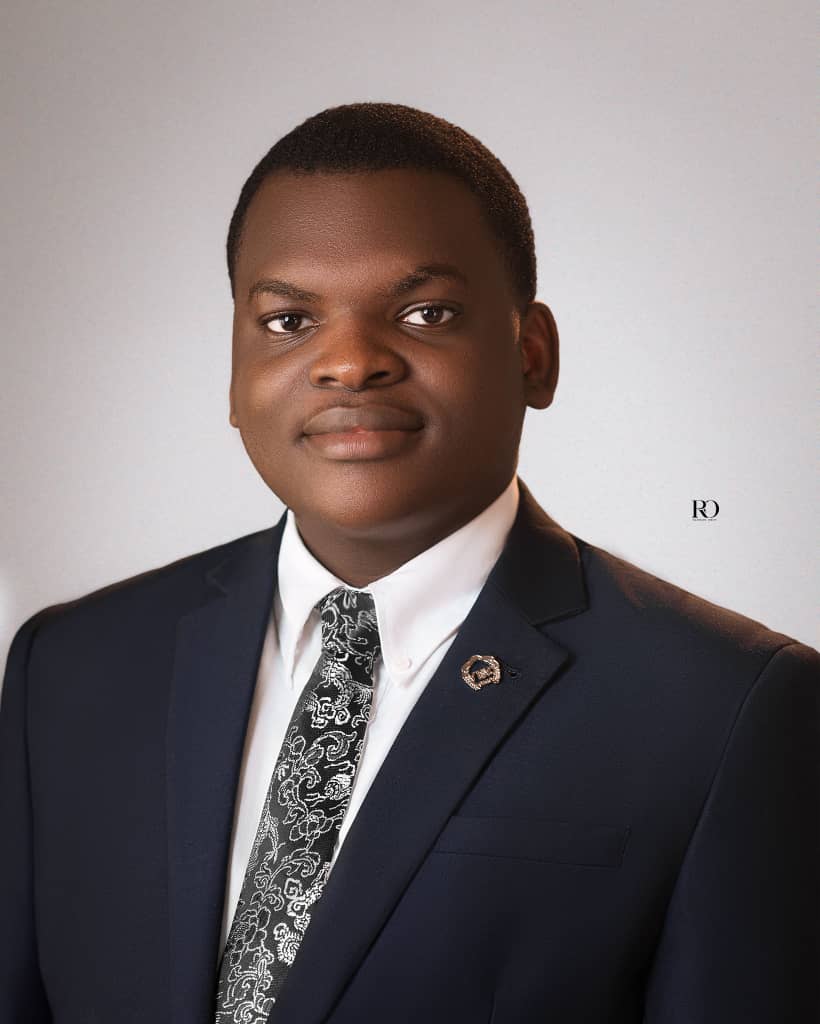
On admission, anxiety, and the first time he stood on a stage
A journey of a thousand miles is supposed to begin with one step. His began with something more intense: the long, grinding anticipation of an admission he could not hasten or control — refreshing a CAPS portal for hours, as though presence alone could summon it into existence.
When it finally came, the house celebrated. But close behind the joy came a new, heavier word echoing through it: "The Bar." A new identity to grow into, whether he felt ready for it or not.
University did not go easy on him. He describes it as its own world entirely — indifferent, fast-moving, unconcerned with whether you'd found your footing yet. What made it survivable were the people: secondary-school friends who'd made the same journey, and senior colleagues who handed down what they knew without being asked twice.
His first contest for office — Class Governor of JNAC's Year One advocates — ended in a loss. Under the rules at the time, the runner-up became Deputy Governor automatically, and that's exactly where he landed. Not the outcome he'd aimed for, but the one that put him exactly where his impact would land hardest over the next four years.
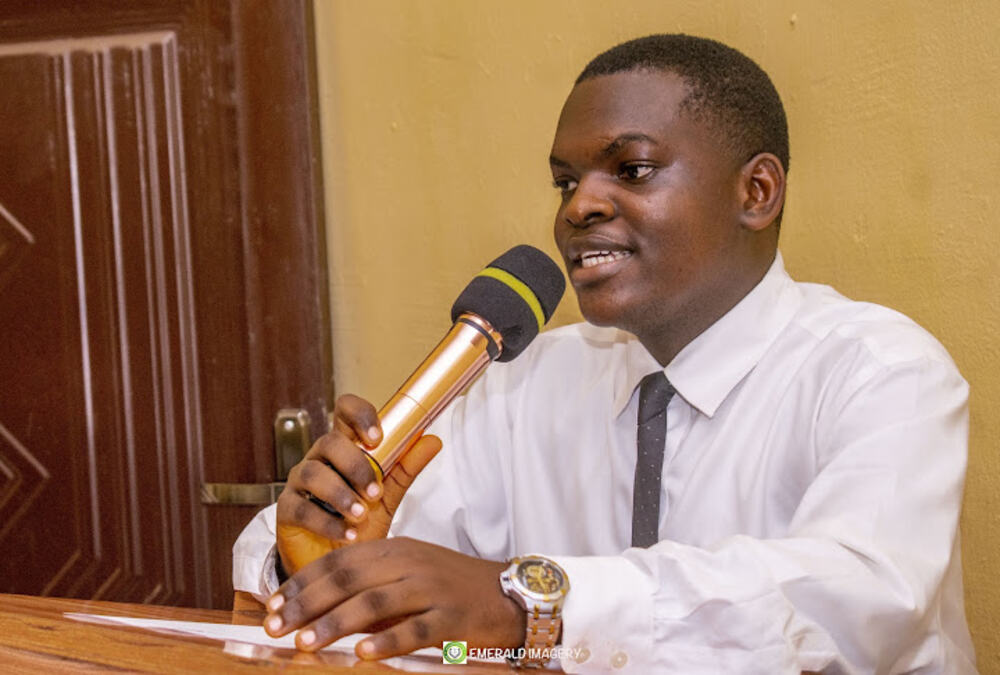
Then came the chamber's Memorial British Parliamentary Debate — his first real attempt at advocacy. Oversized uniform, cold hands, an audience he was sure could hear his heart. He walked out anyway, and what happened on that stage is the story he now opens with whenever anyone asks how his time at JNAC really began.
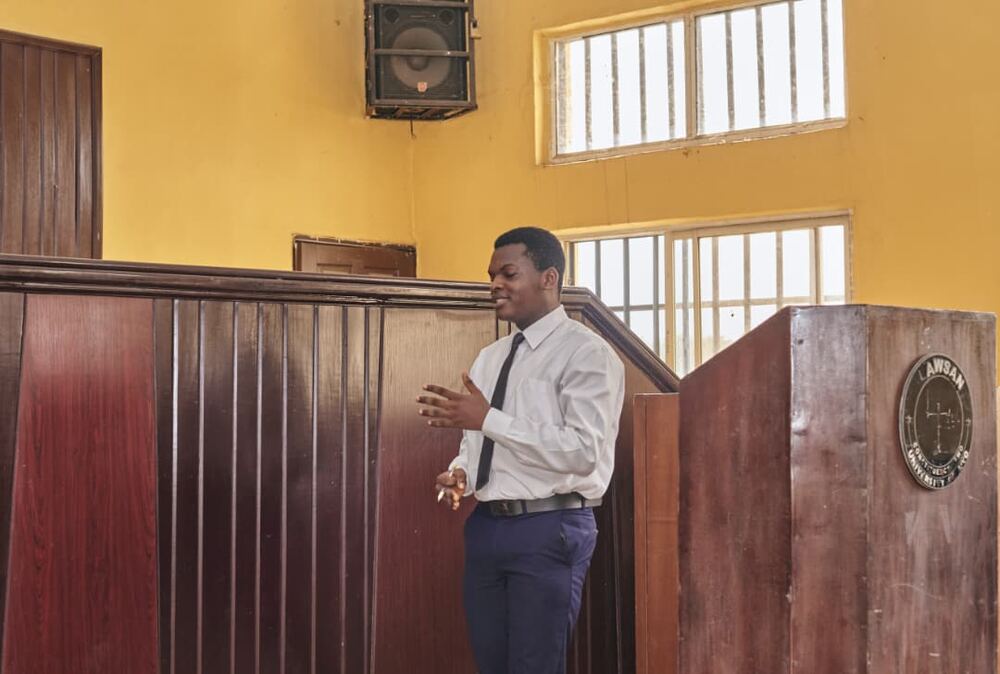
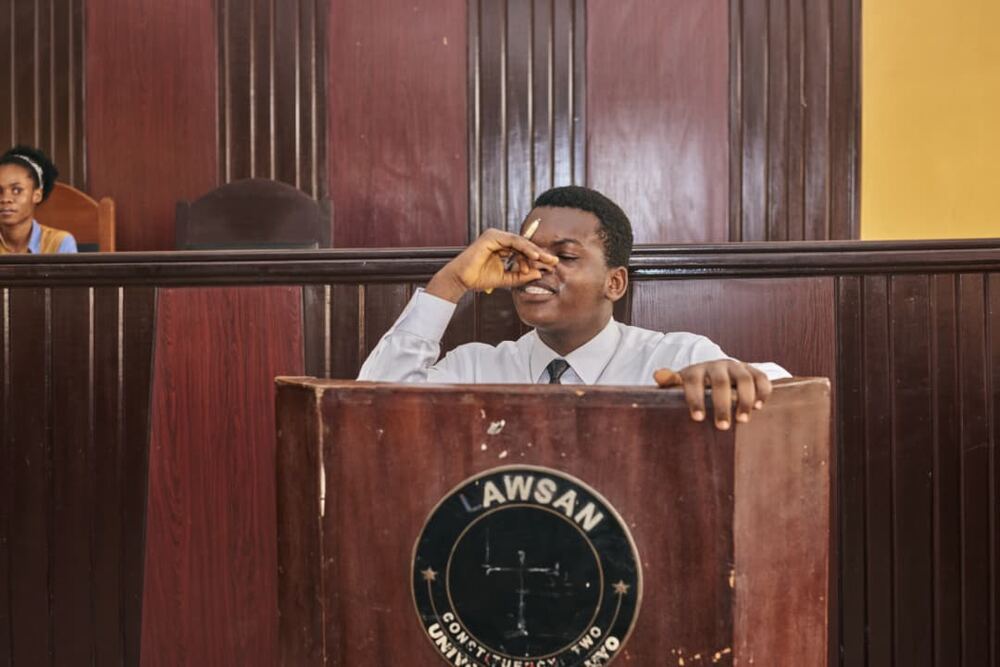
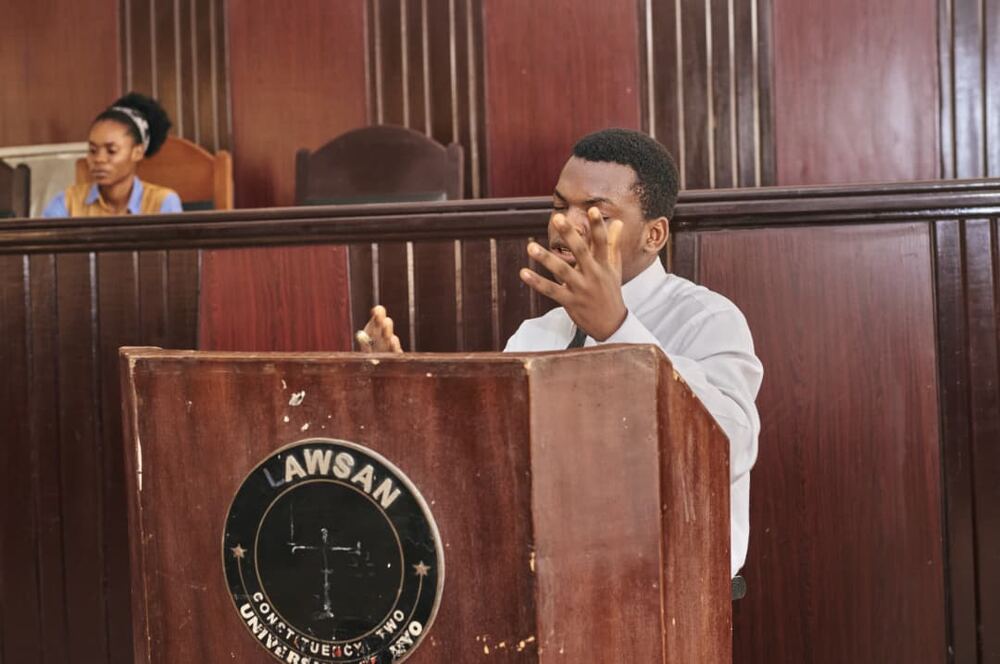
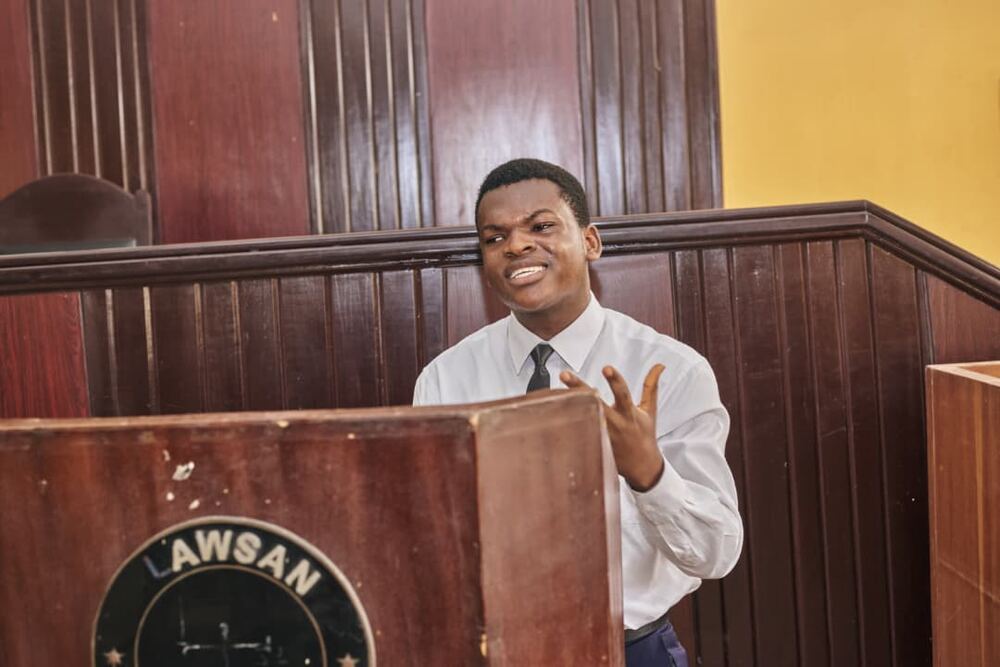
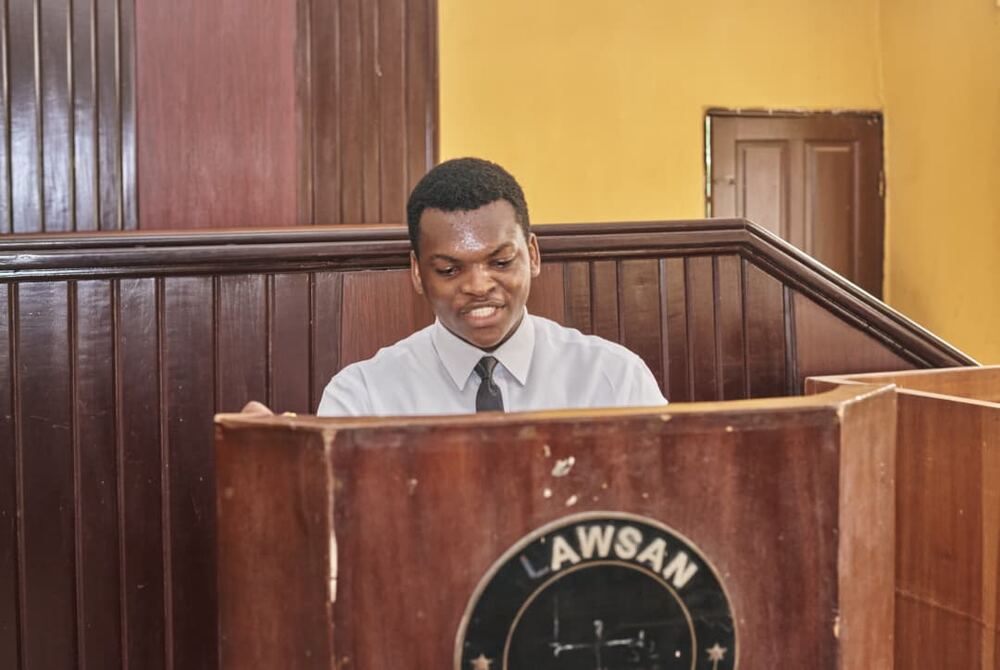







He won. Best Speaker overall, and part of the winning team — two medals he refused to take off for a week straight, drawing more attention around the Faculty than any freshman probably should. Someone stopped him in the hallway, pointing at the medals: "the things around your neck with half the colour of a yellow sun." An unplanned, oddly perfect echo of the writer whose work had shaped his own love of language since childhood.








On being told he could do better — and believing it
His academic journey didn't start from confidence. After a rough first year, a senior colleague pulled him aside with a line that stuck harder than any grade ever had.
He didn't just hear it — he acted on it. Study groups, study calls, a complete rebuild of how he approached his courses. The results followed. Then came Law of Contract, and a senior colleague's study techniques, and an A that meant far more than the grade itself. One A changed his mindset entirely: if he could master Contract, there was no course he couldn't master.
The same year, chamber politics found him almost by accident. He couldn't afford the nomination form for Deputy Director of Media — a role he barely understood at the time — and the position sat vacant through an entire dinner and inauguration. When the incoming Advocate General reached out afterward and told him to simply take the seat since no one else had claimed it, he said yes and learned the job from the inside. He grew the chamber's Instagram page to 1,000 followers.
He won Executive of the Year that session — the first 200-level student ever to take the award in a category historically dominated by 400 and 500 level advocates.

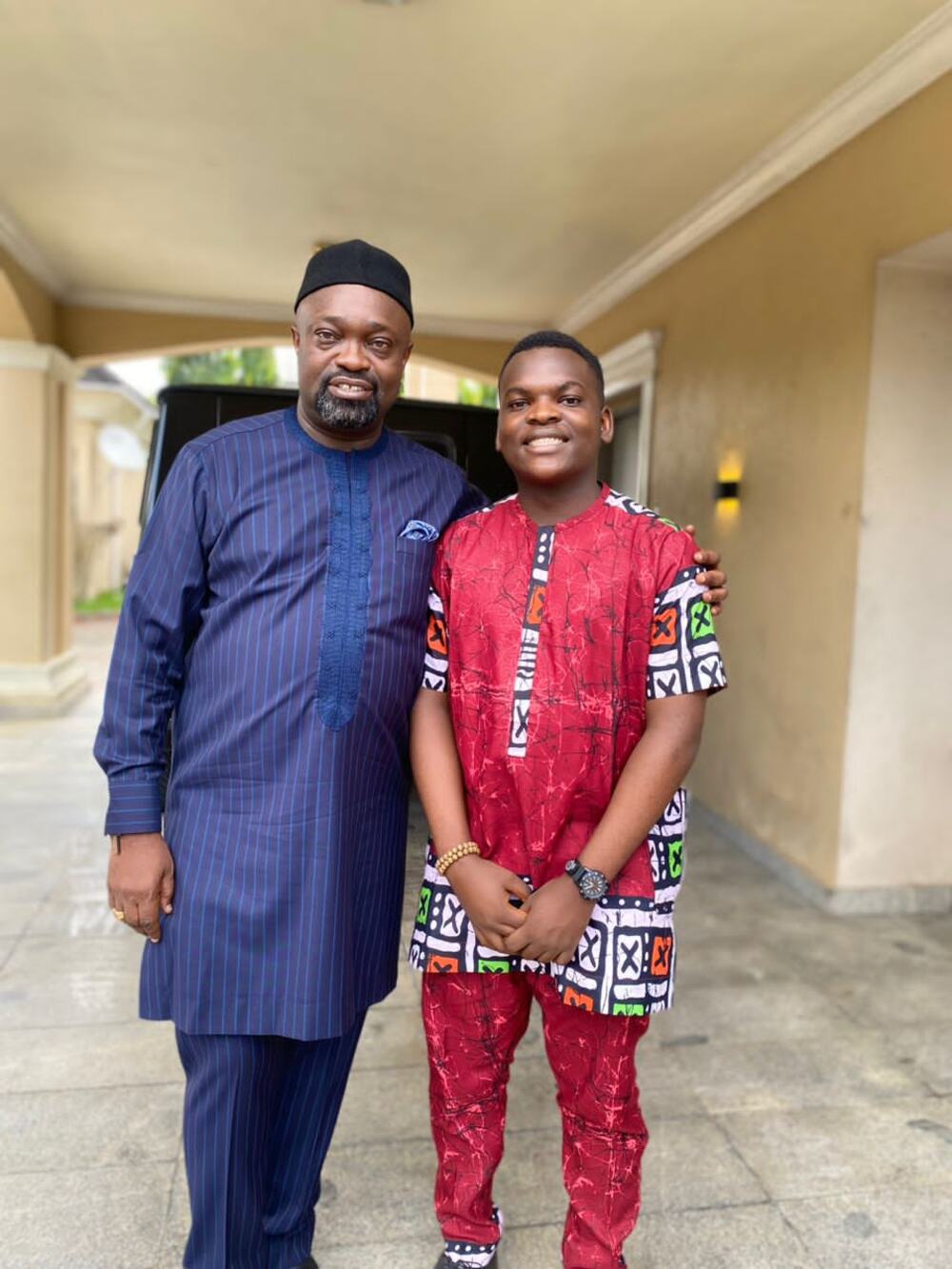
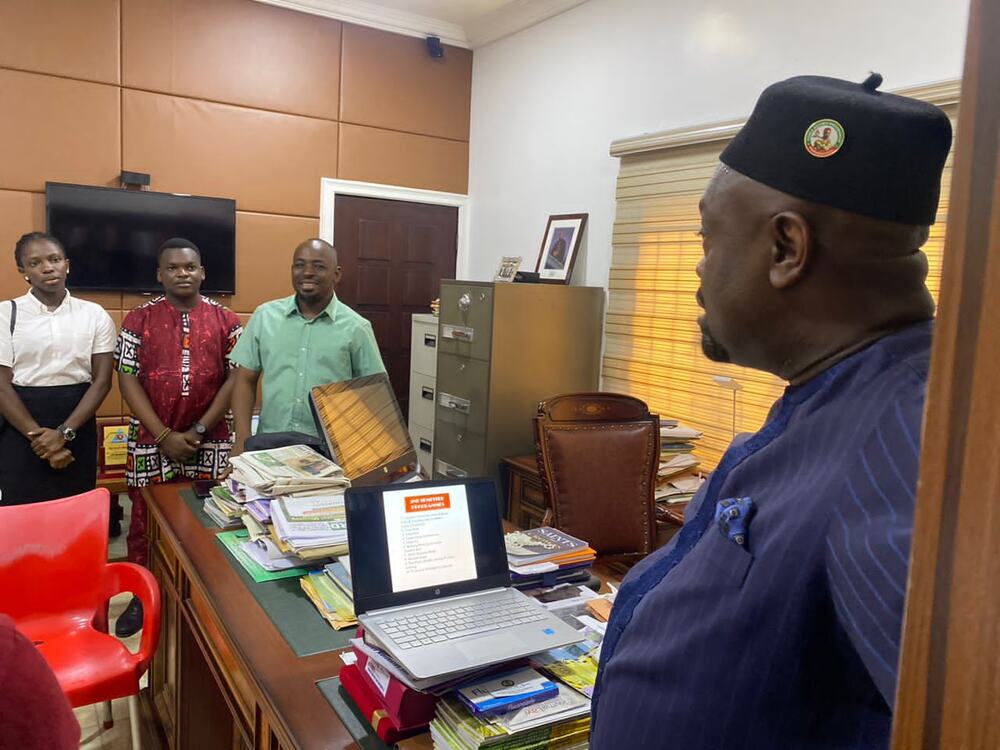
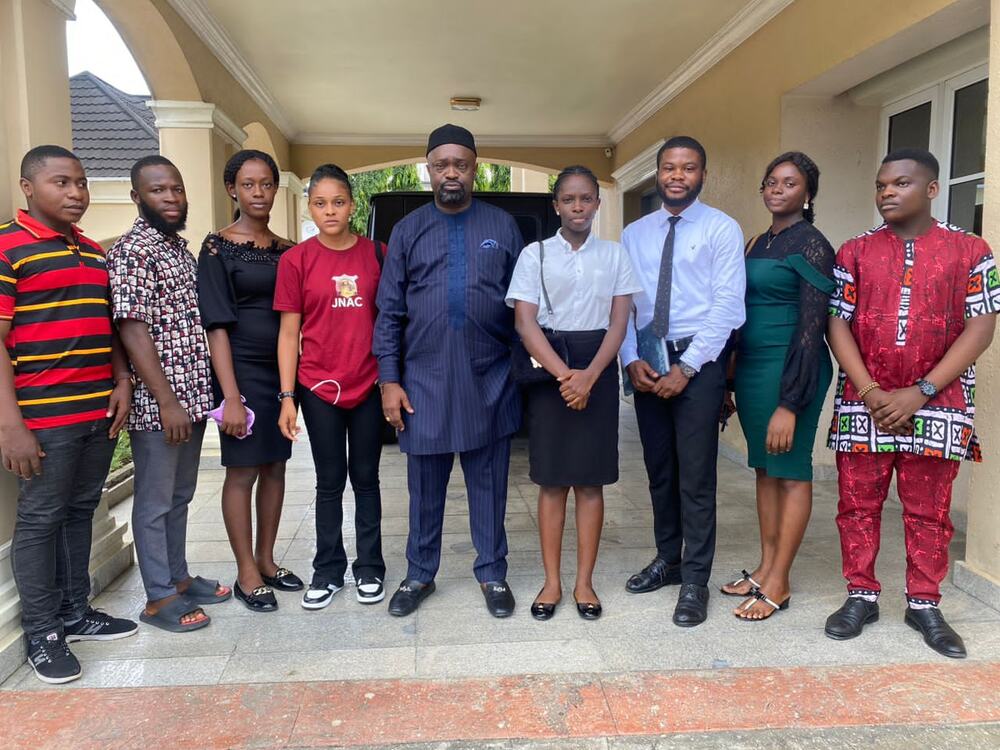

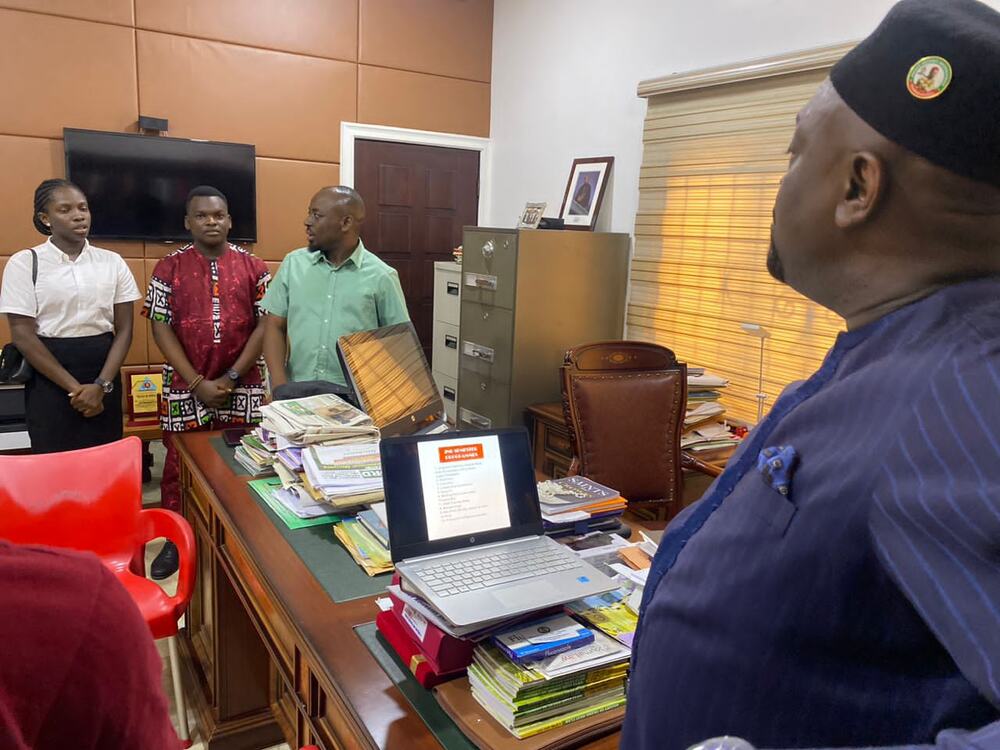

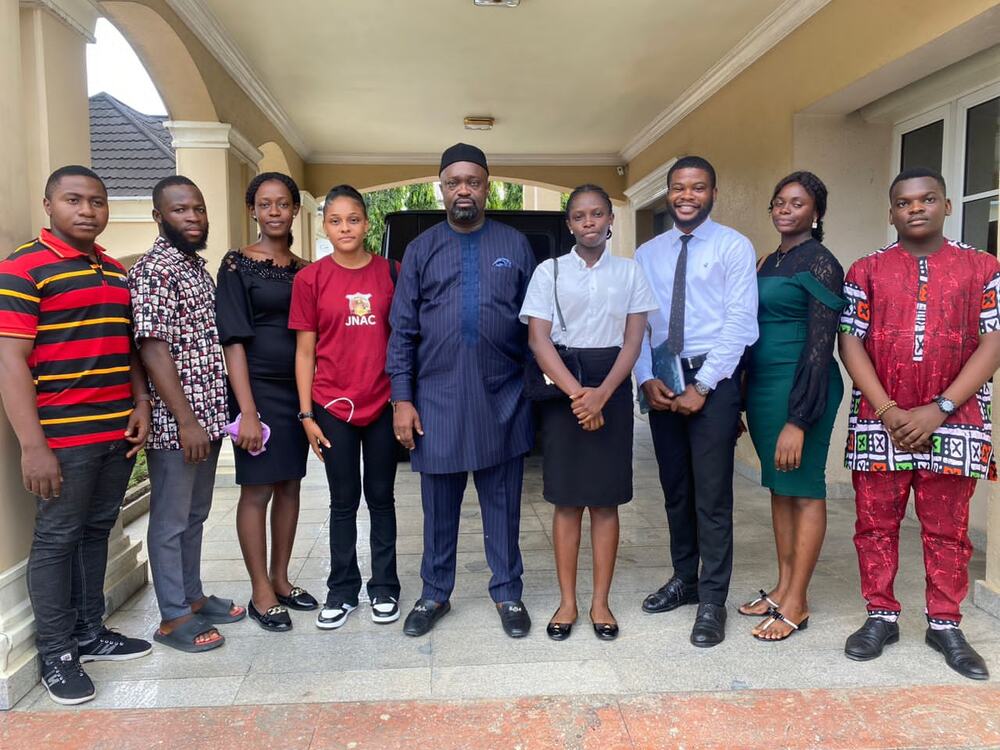
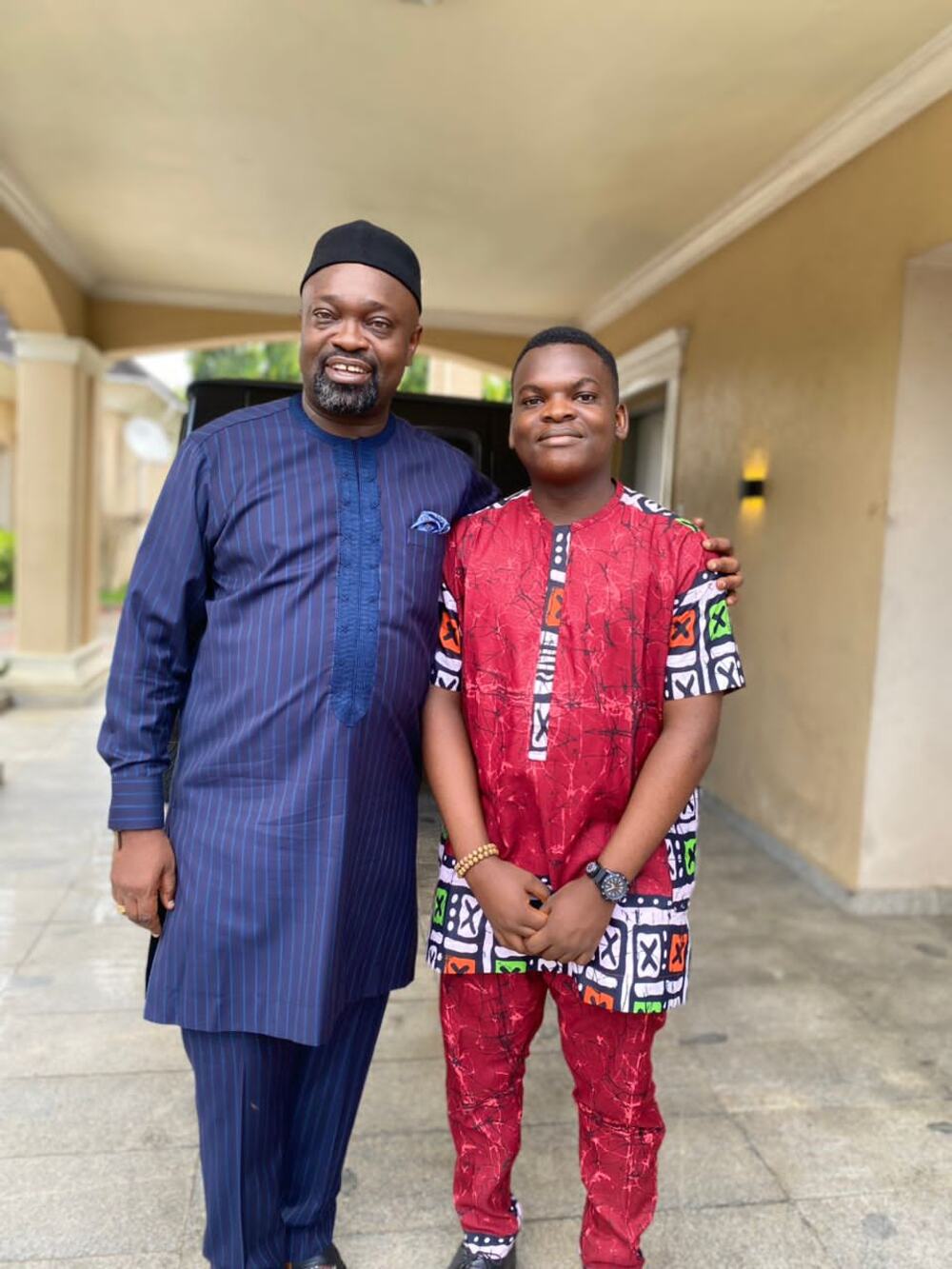








On mentors, composure, and leading a directorate of his own
300 level was, in his words, the point his eyes opened to a different side of leadership altogether — influence, relationships, and service, learned less from textbooks than from watching people up close.
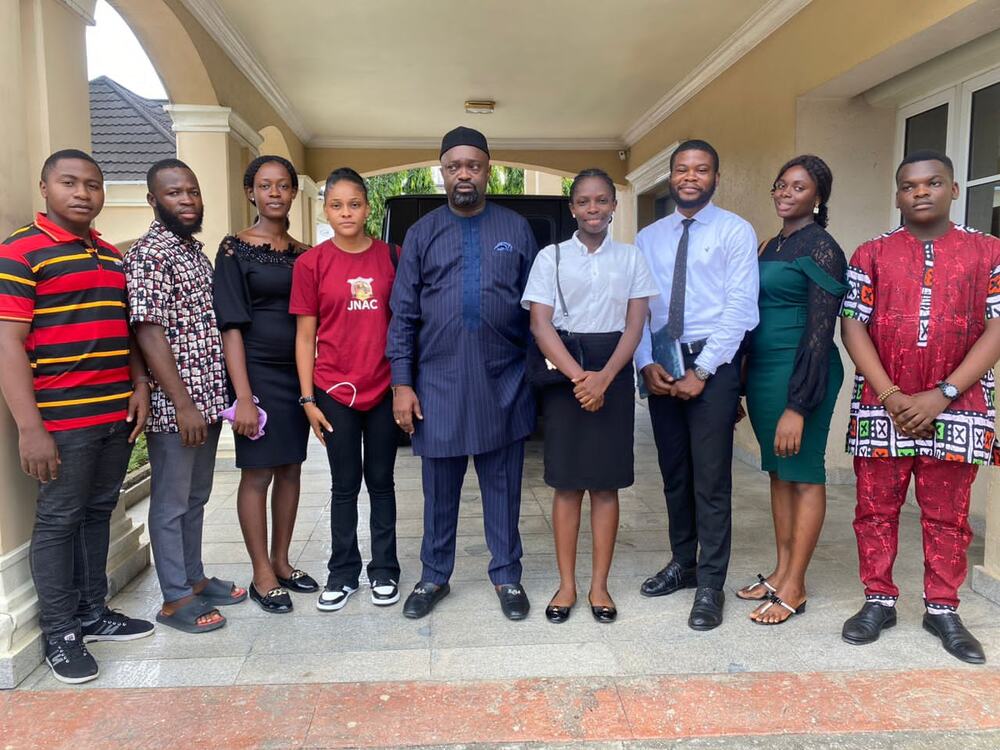
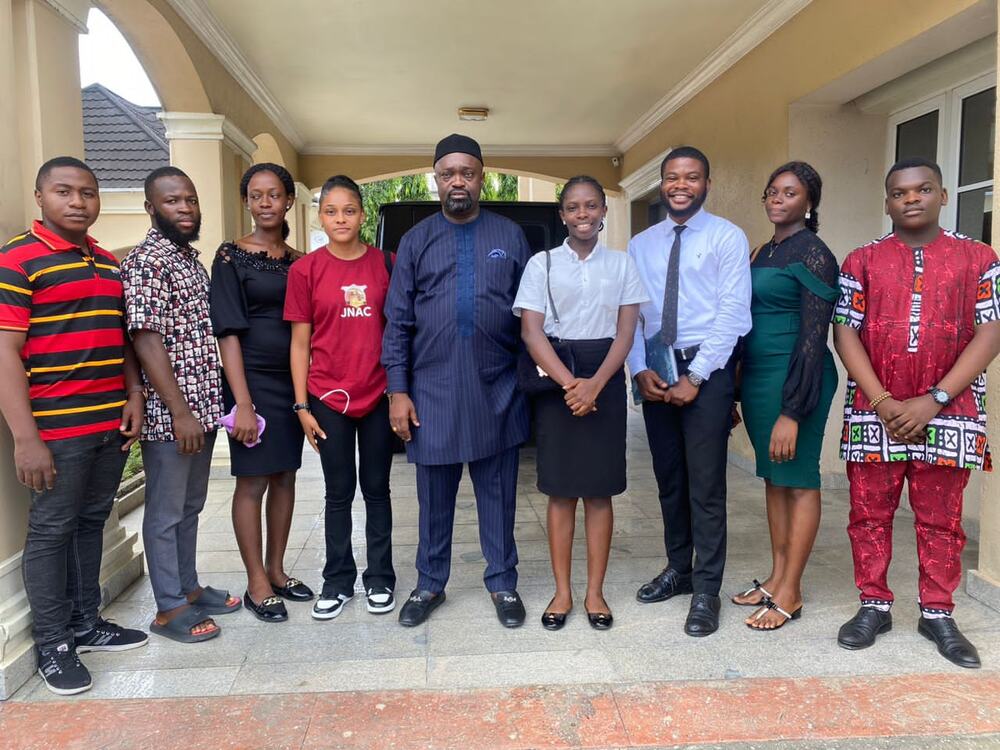
Two mentors shaped that year more than any single lecture did. From one, he learned that leadership isn't about the office you hold but about giving people something real to believe in. From the other — the chamber's Advocate General at the time — he learned composure: how to carry the weight of a room looking to you for answers without losing yourself in it.
When he became Director of Media, he wasn't starting from zero — he was returning to lessons planted two years earlier and finally putting them to full use. He credits much of that tenure's success to his deputy's steadiness beside him, and to senior colleagues whose quiet competence he tried to absorb by proximity.


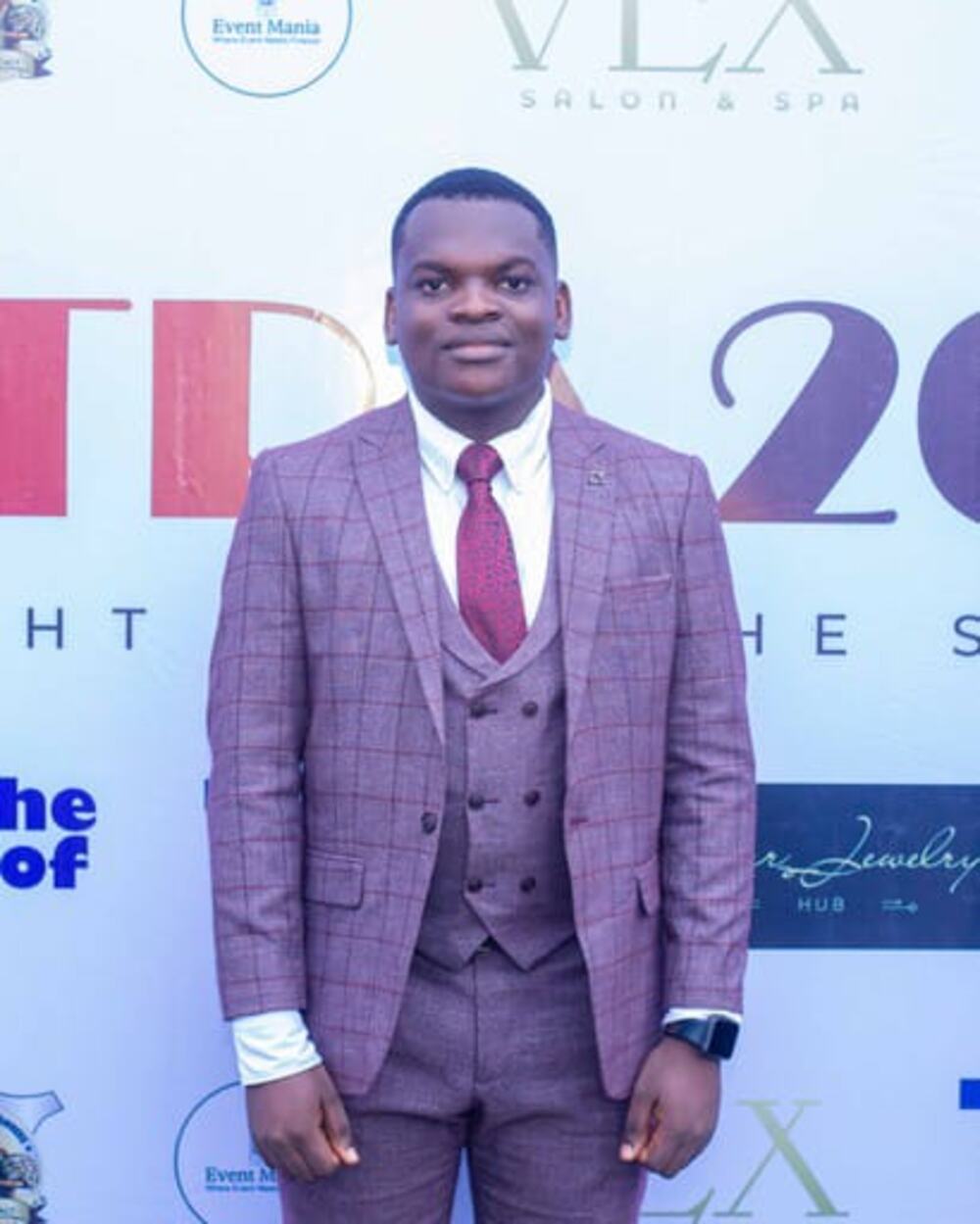
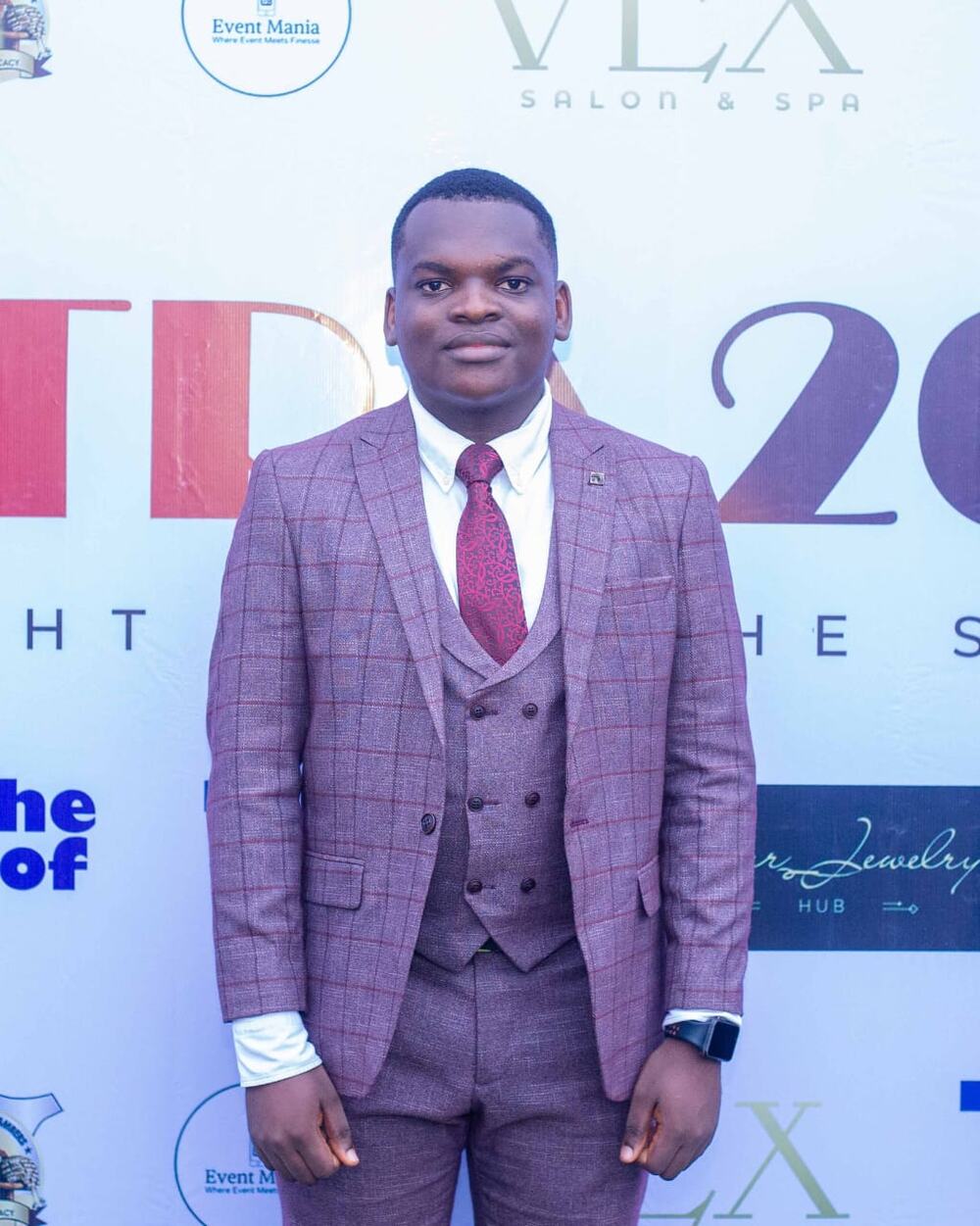




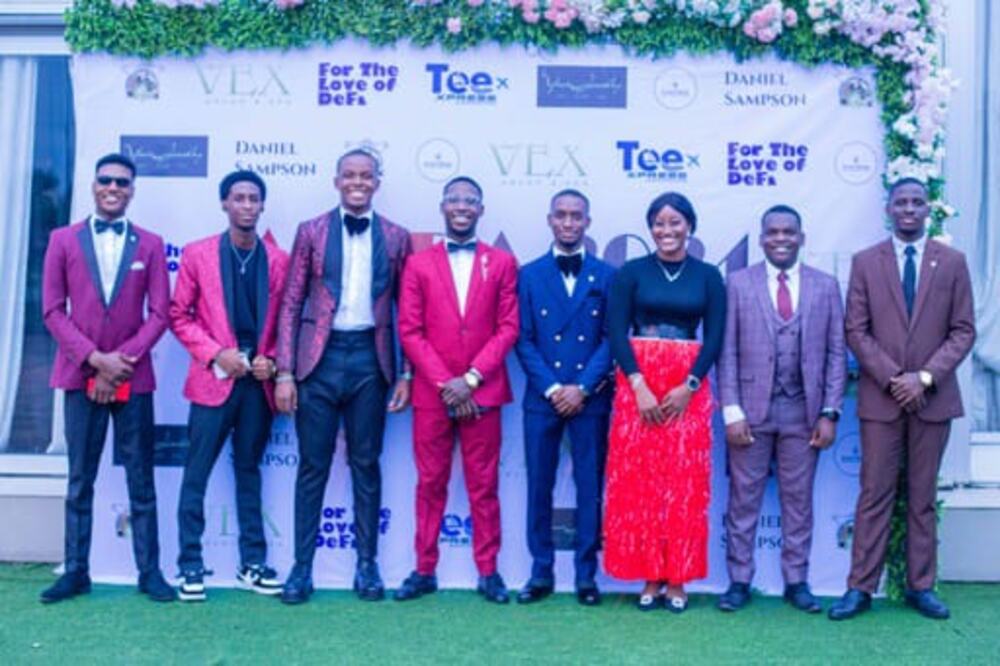







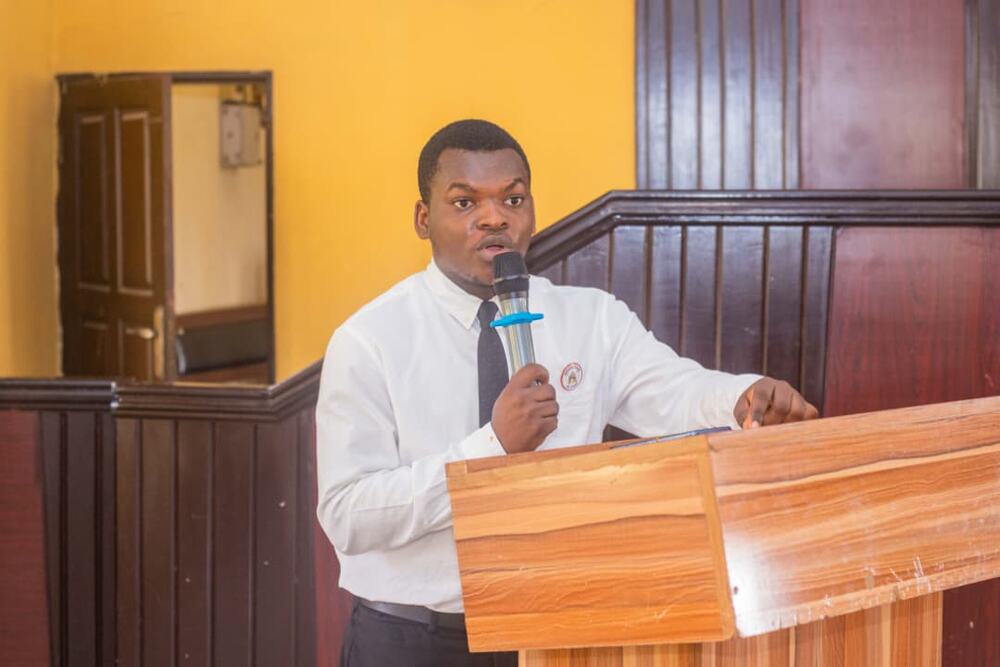
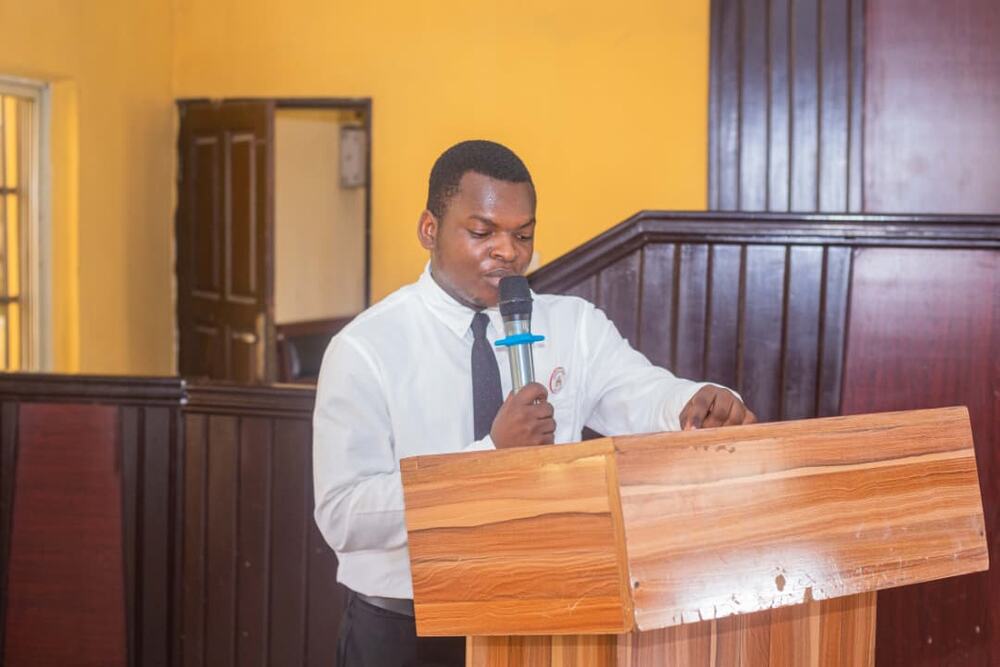
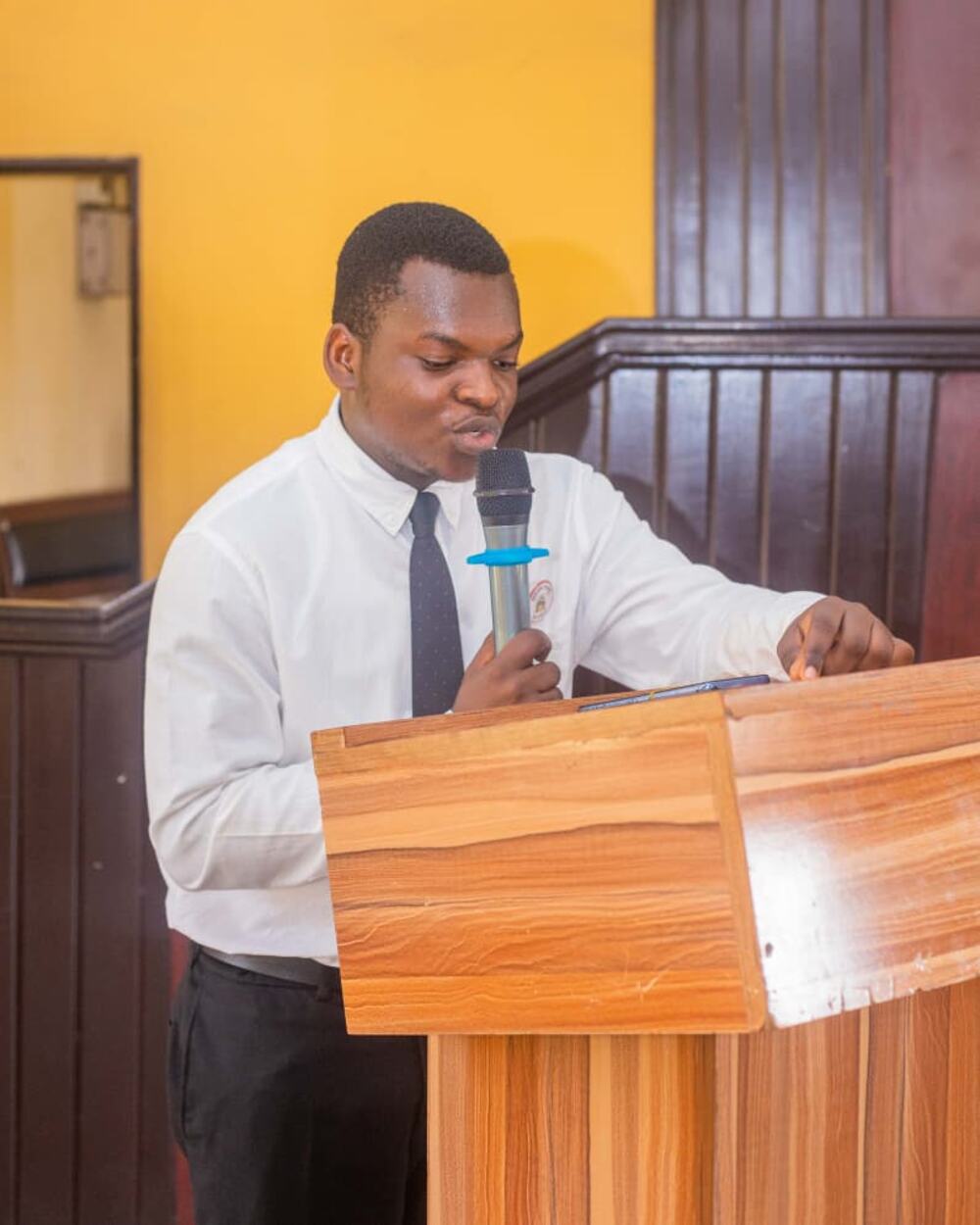
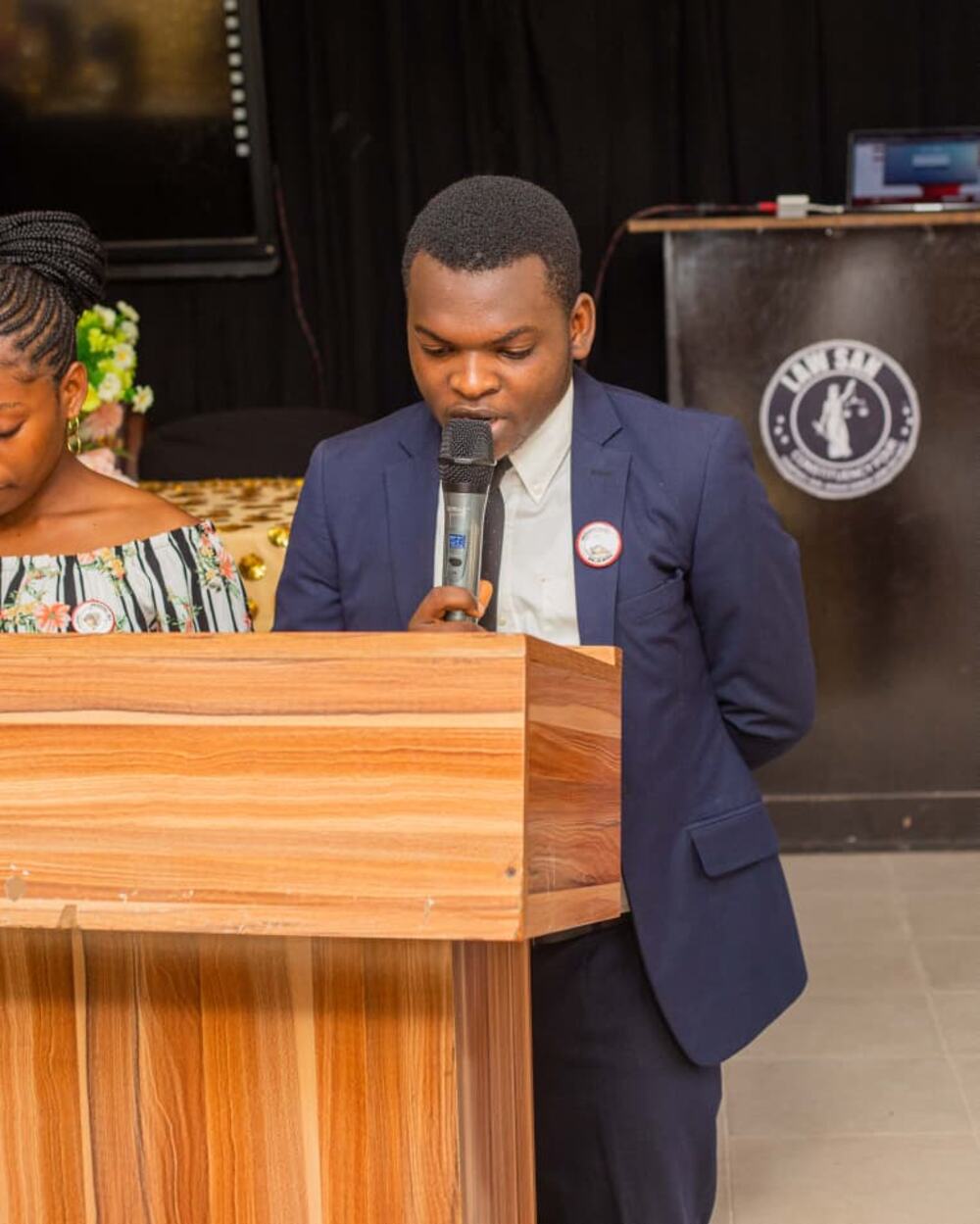
On money, courtrooms, a single C, and a voice he couldn't explain away
If one word had to describe his 400 level, it would be exponential. Not gradual — everything that had been building for three years arrived at once: income, professional work, recognition, and a few humbling moments that kept him honest.
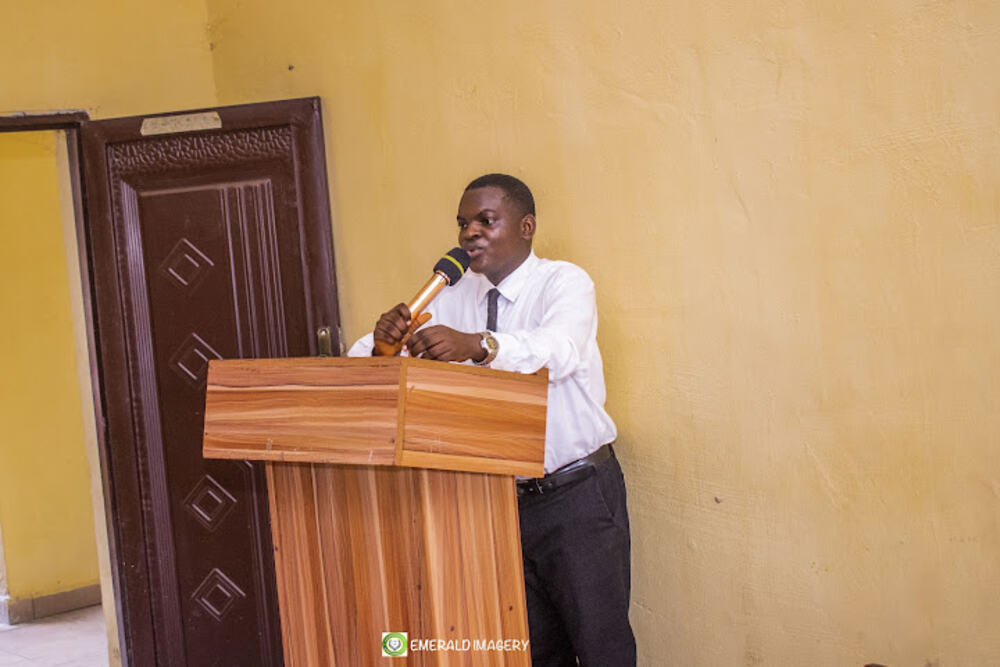
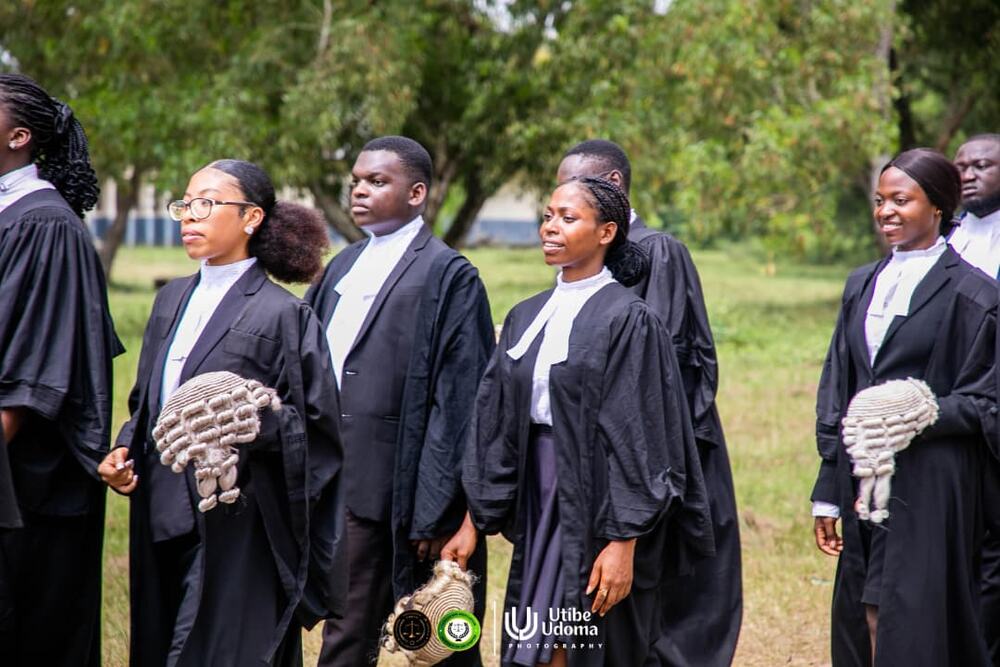
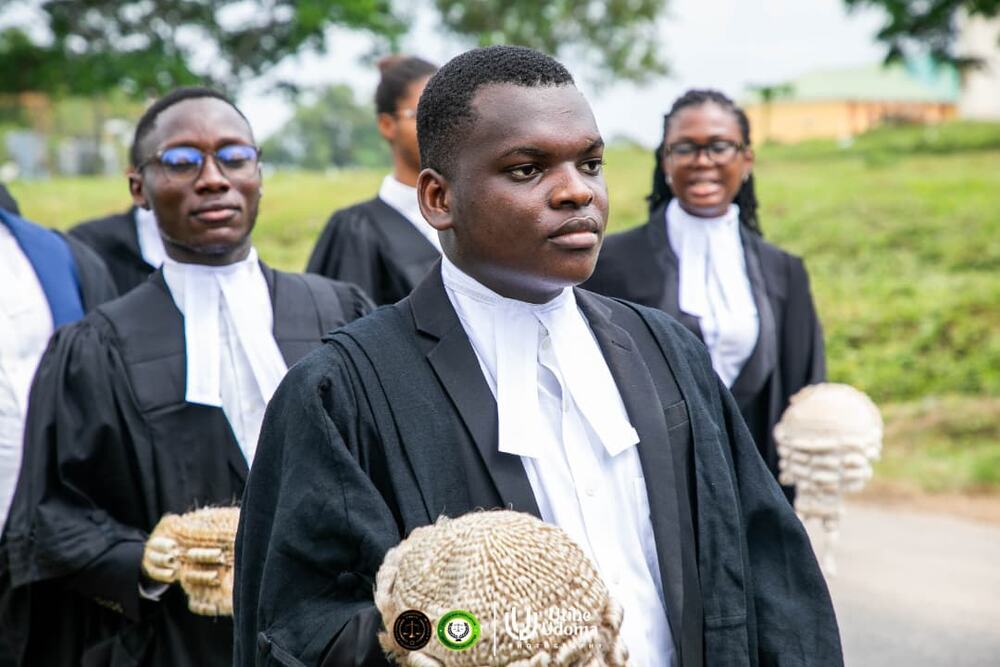
He began working under a senior transaction lawyer in what became his highest-paying role to date, while building a parallel identity as a budding entertainment and music lawyer — a column he called Music and the Law, written from his own room and picked up by national outlets he'd never pitched directly. He took on the Directorate General of Clubs & Societies for JNAC, appeared in court for the first time, and was called to the LAWSAN Bar.
But the deepest shift that year had nothing to do with law school. Scrolling Instagram one ordinary evening, he came across a sermon on how God had already engineered every path forward, and the phrase that followed him to bed that night — God's Engineering — didn't feel borrowed. It felt handed to him directly. He hasn't looked at his own life the same way since.


On leading the 9th Administration — and the people who made it possible
Leadership may give a programme its direction, but it is people who give it life. Looking back at everything the 9th Administration undertook, he is adamant about one thing: none of it was ever the work of one person.
The record speaks for itself. Ninety new advocates inducted through The Noble Bow. A LAWSAN football trophy brought home after nine years without one — Fidelis Obinna finishing as the tournament's top scorer, Favour Jacobson conceding not a single goal, Benefit Philand captaining the team to victory. The AG's Tour, virtual sessions held with every class in the chamber before a single programme was planned, because he wanted an administration that listened before it led. An Orphanage Outreach he calls one of the things closest to his heart. The Advocatus — JNAC's first mock-trial training programme of its kind. A Memorial Essay Competition, a Sports Festival, a poetry contest, a debate series, and dozens of smaller initiatives that each needed someone willing to carry them.
What follows isn't a list of his own achievements — it's the opposite. It's his attempt to name the people who turned his ideas into things that actually happened.
To every Advocate who led a programme, judged a competition, coached a team, marked a script, showed up, or simply believed something was worth building — this is where he says it plainly: the office was his to occupy for a season, but the work, and the memories, were never his alone.
Thank you for trusting the ideas. Thank you for giving your time. Thank you for lending your gifts. Thank you for showing up. Thank you for helping him lead, helping him serve, and — most of all — helping the chambers build.
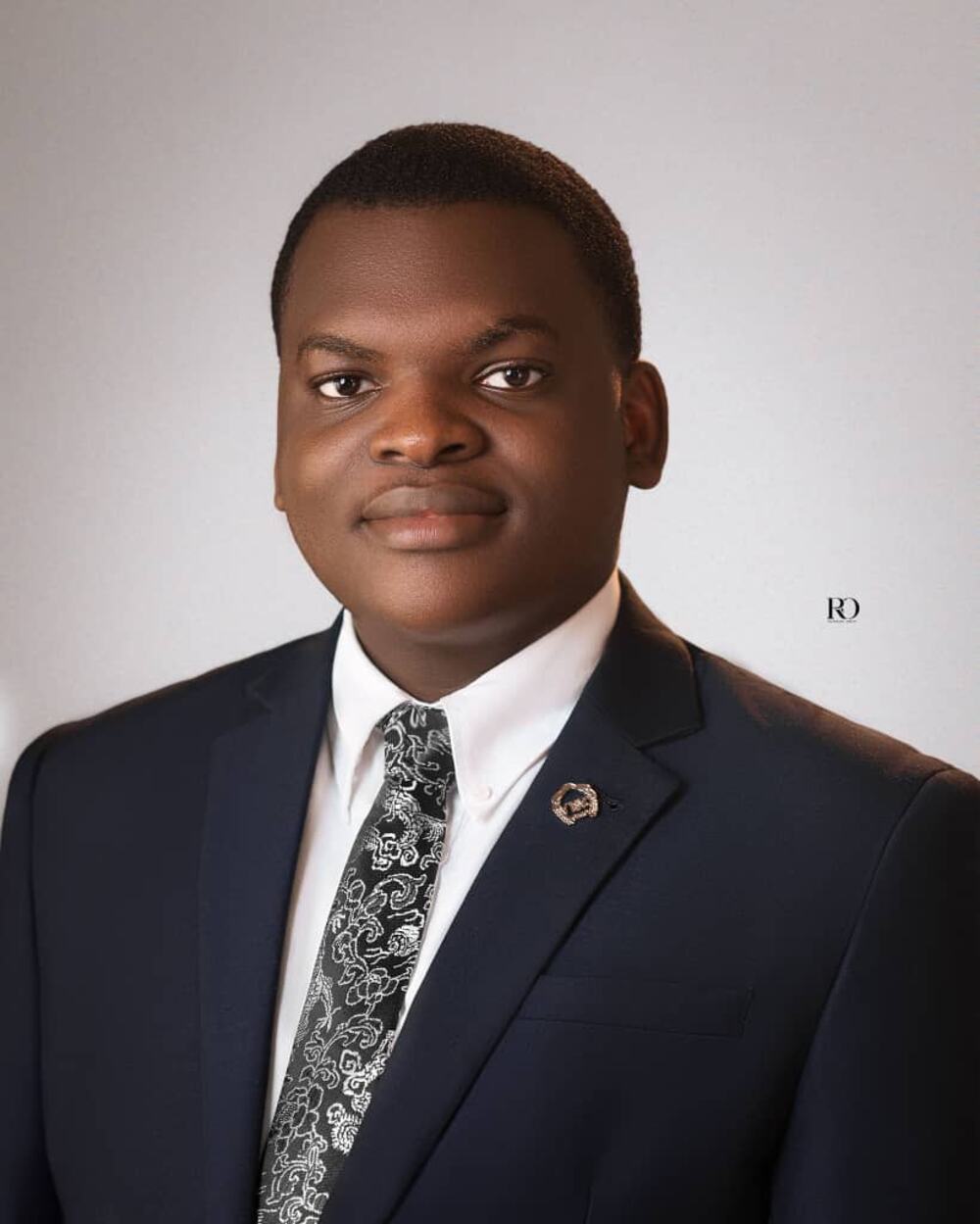
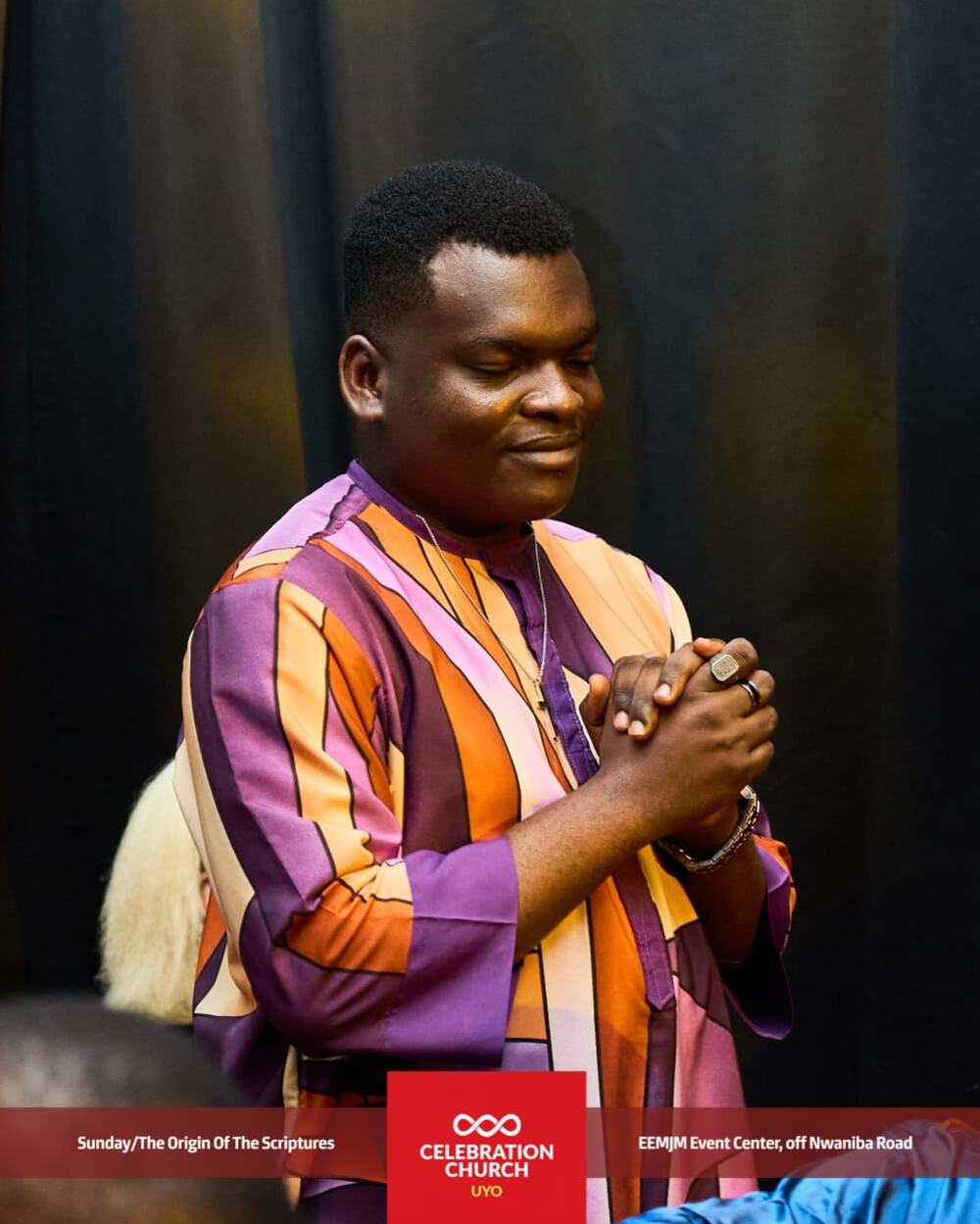
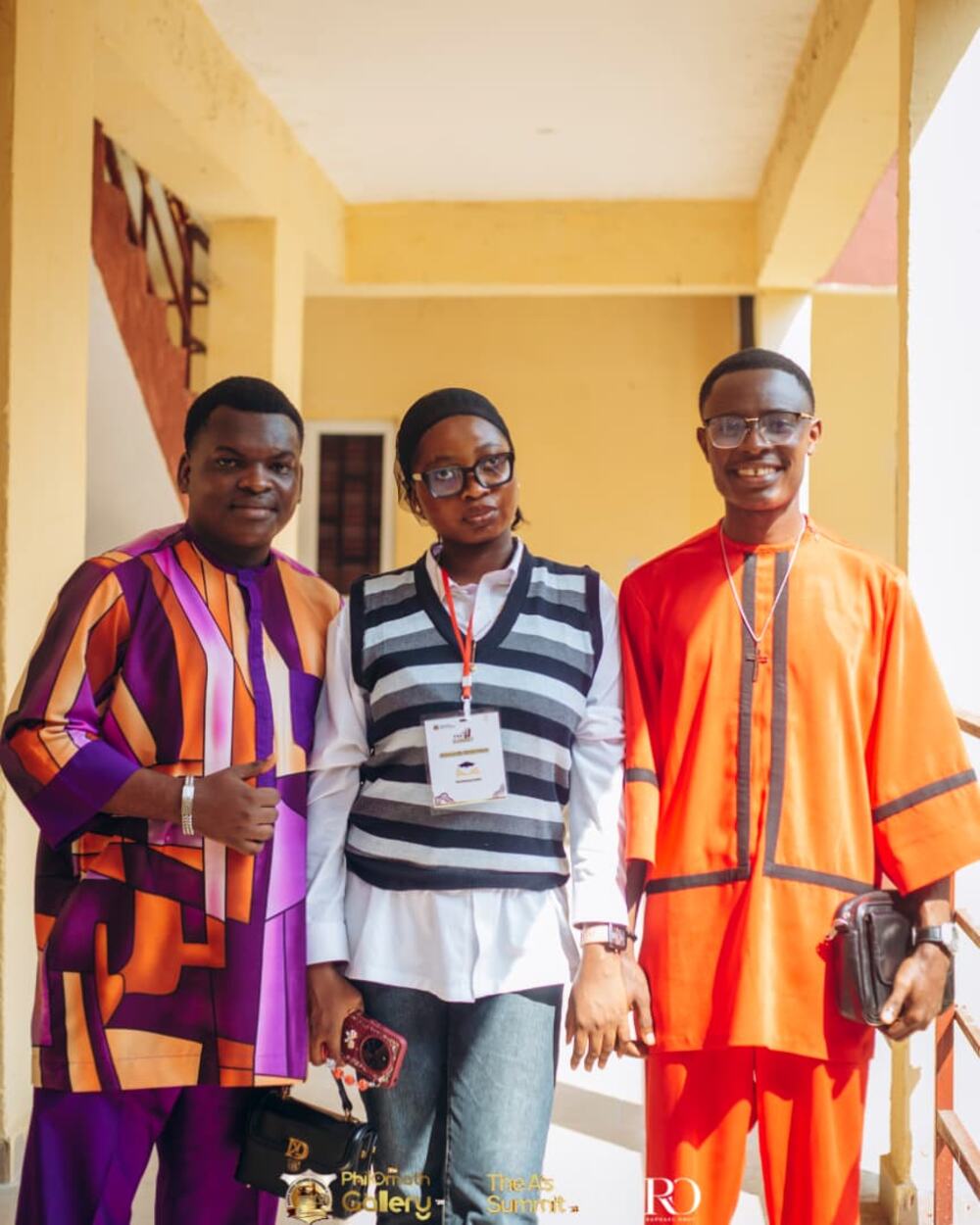
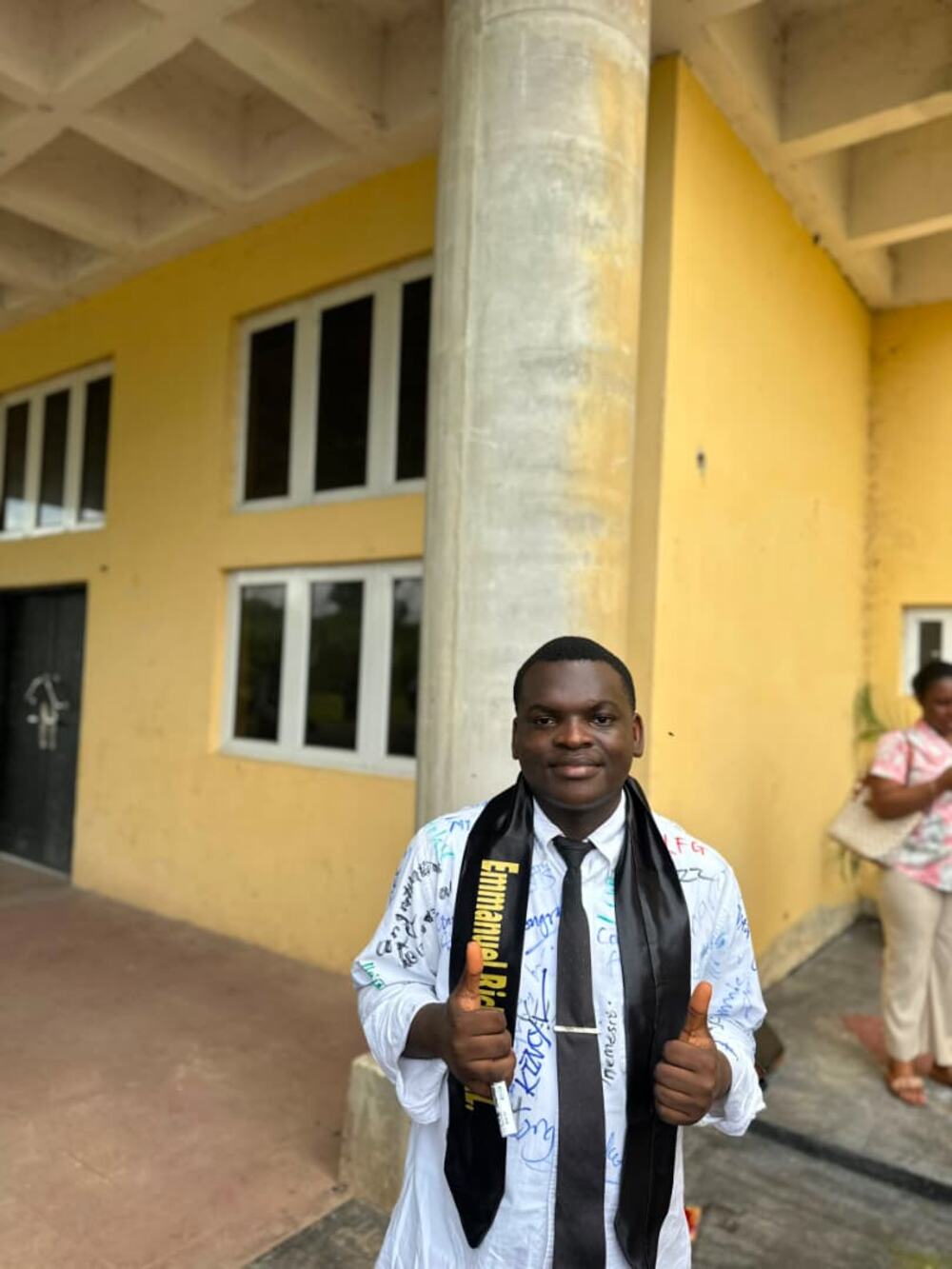

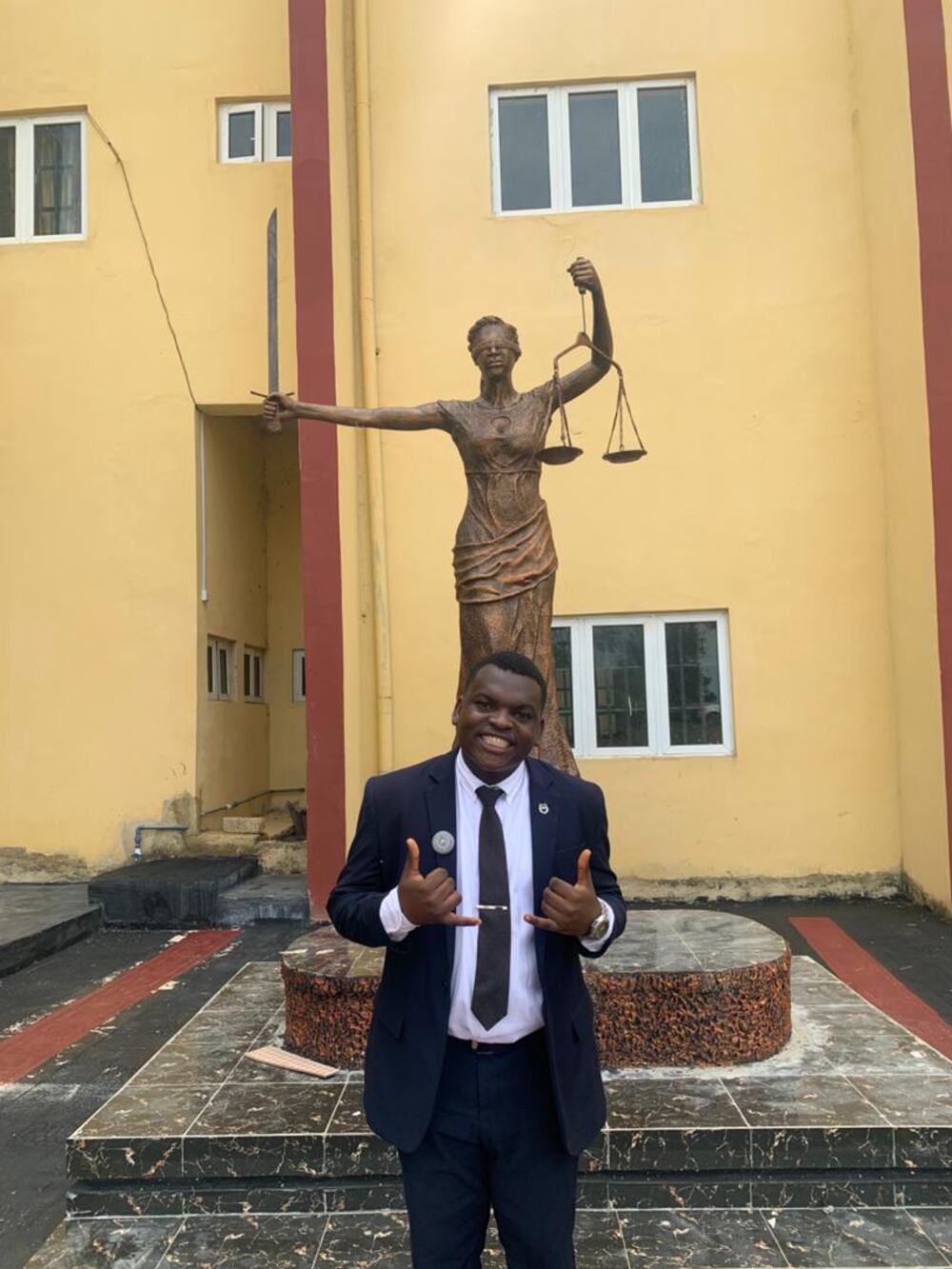

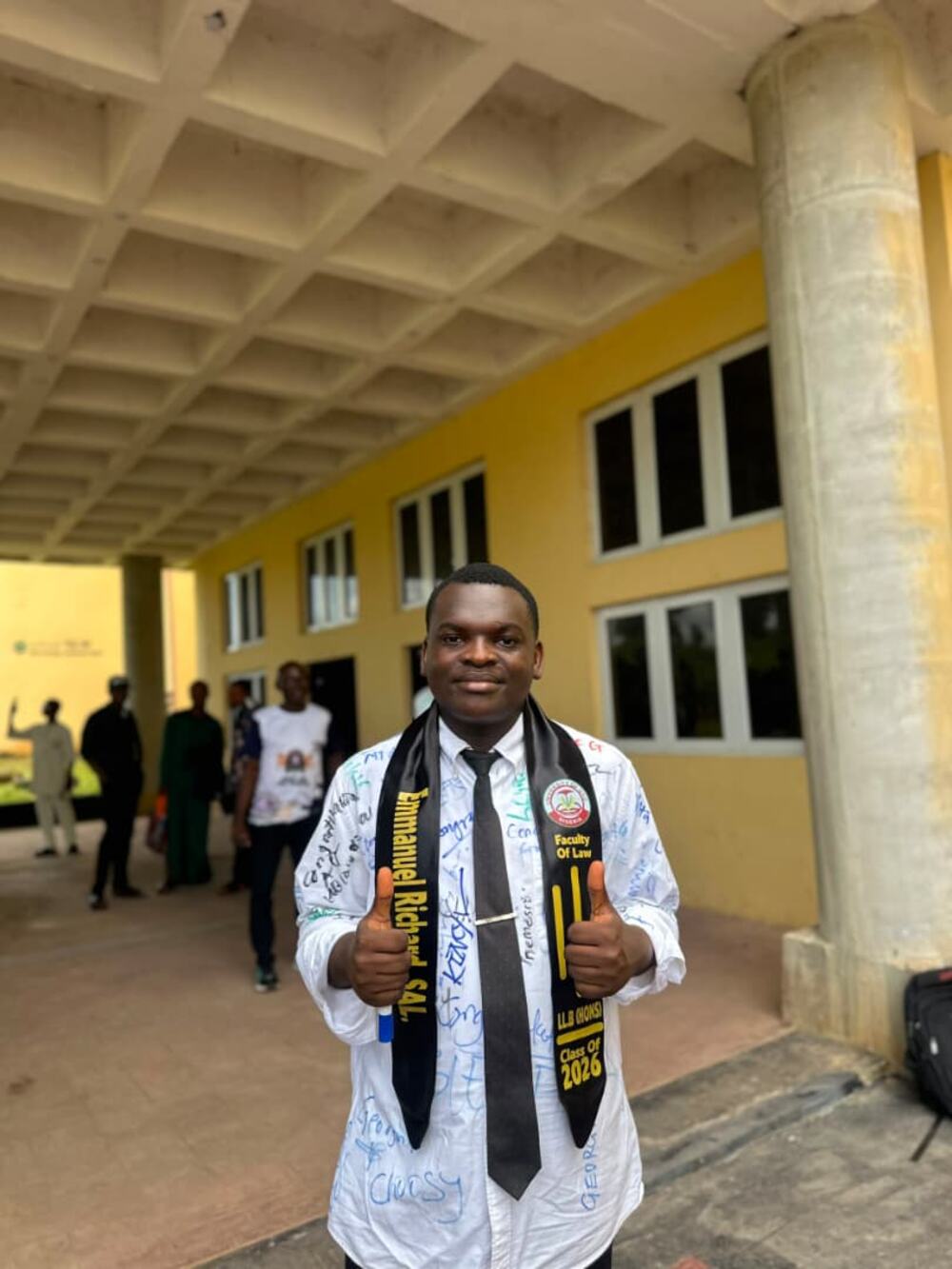
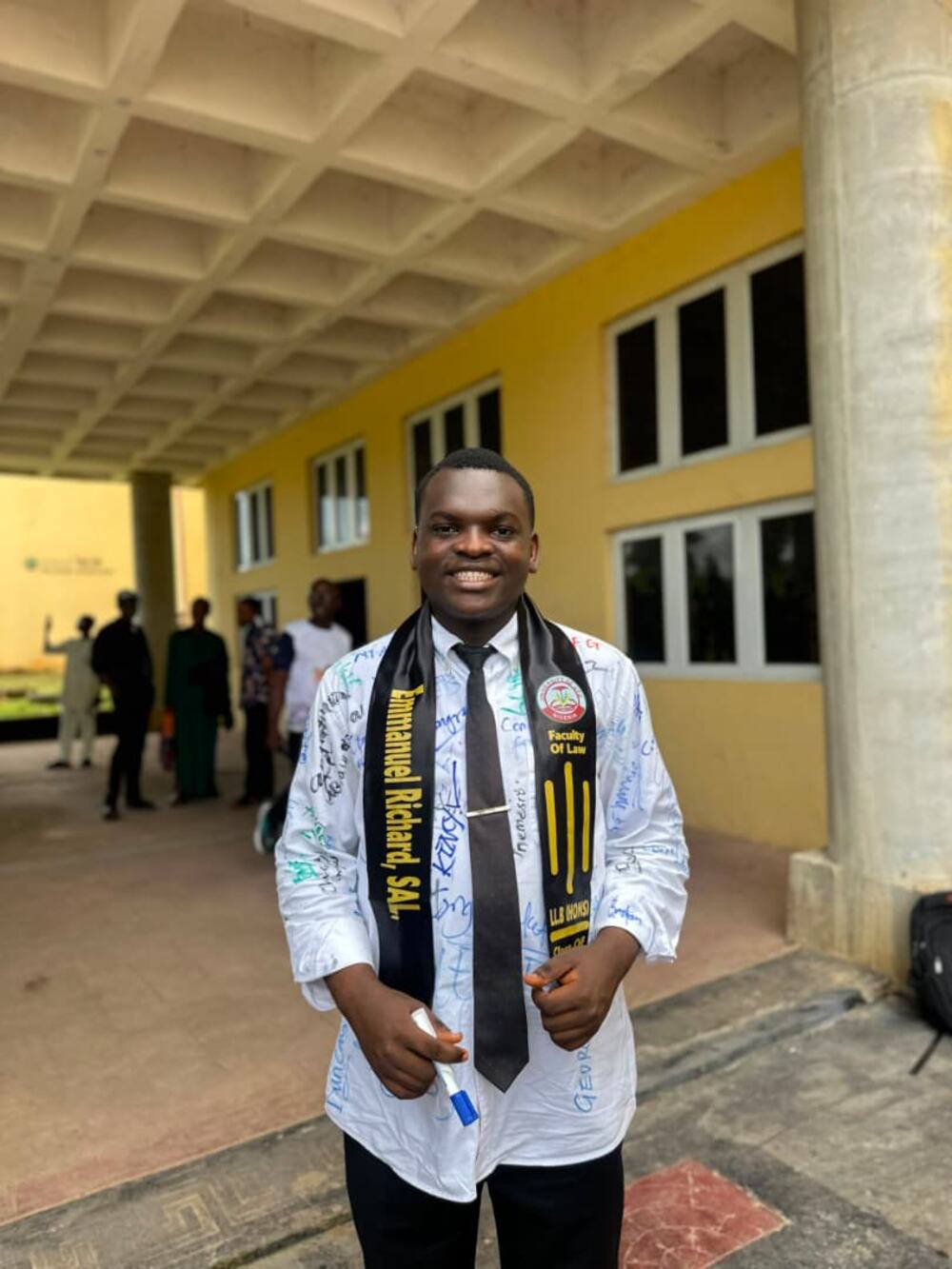
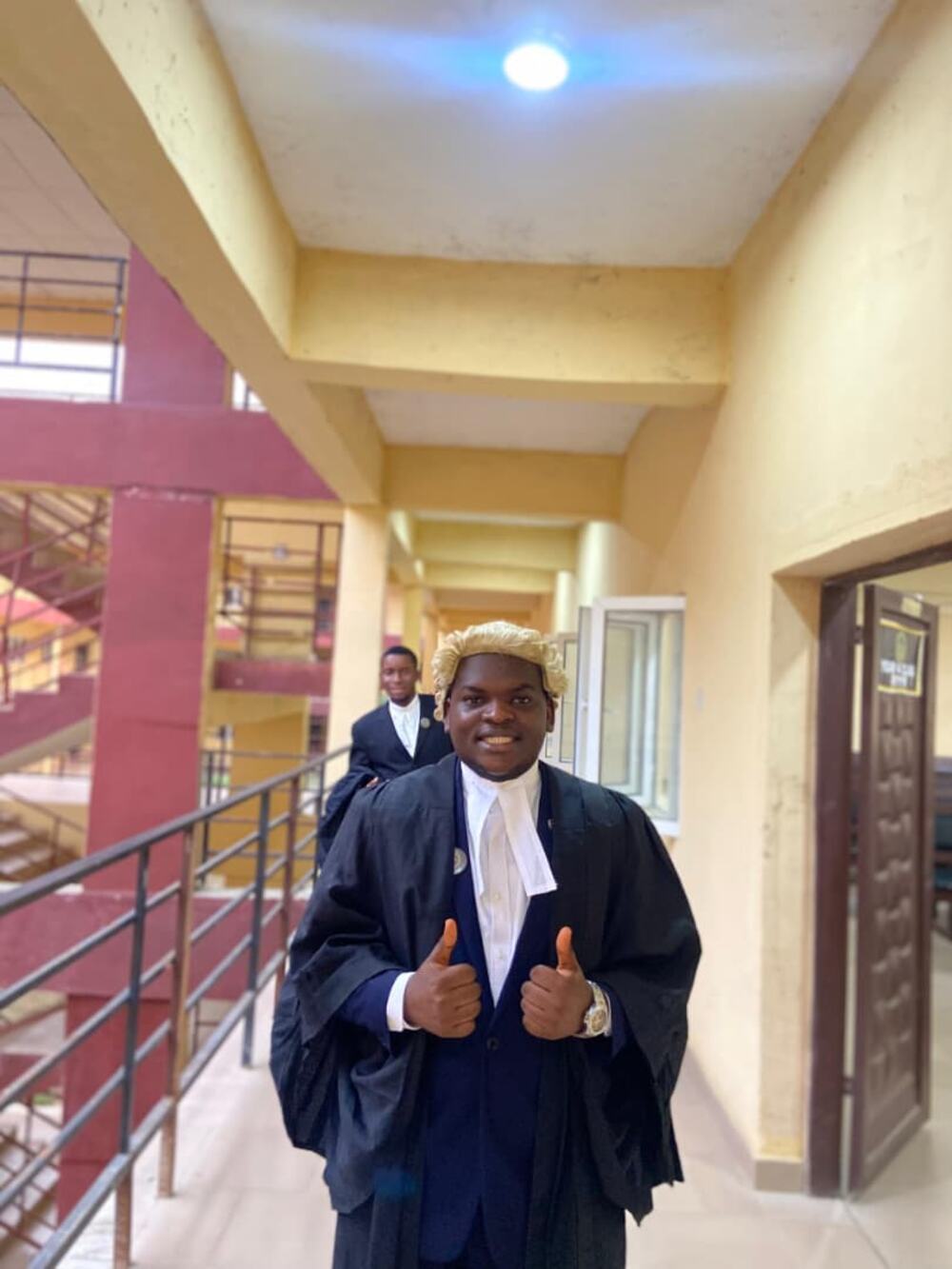
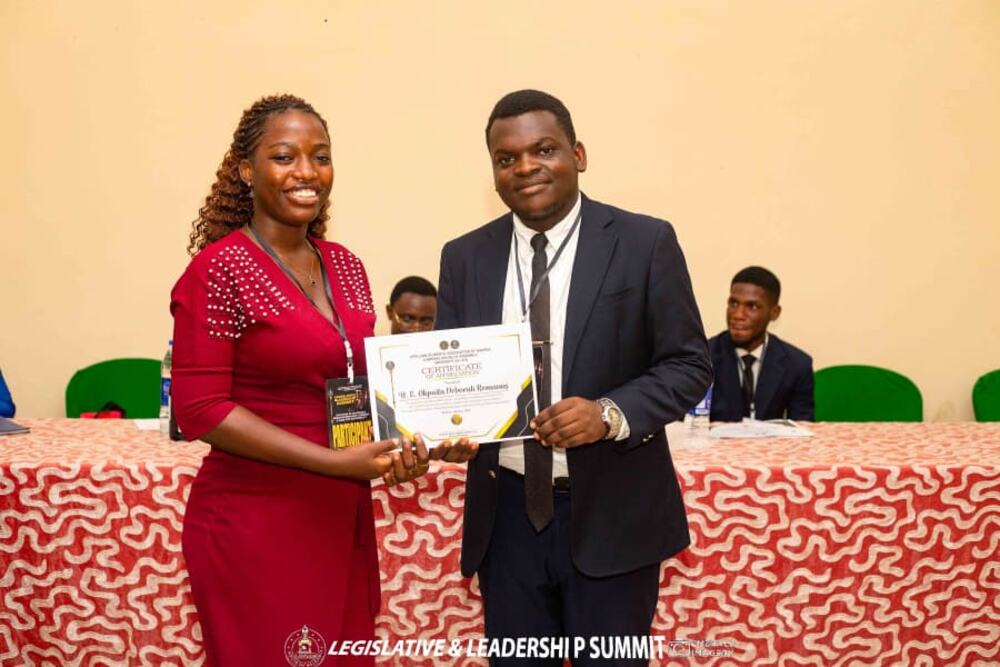

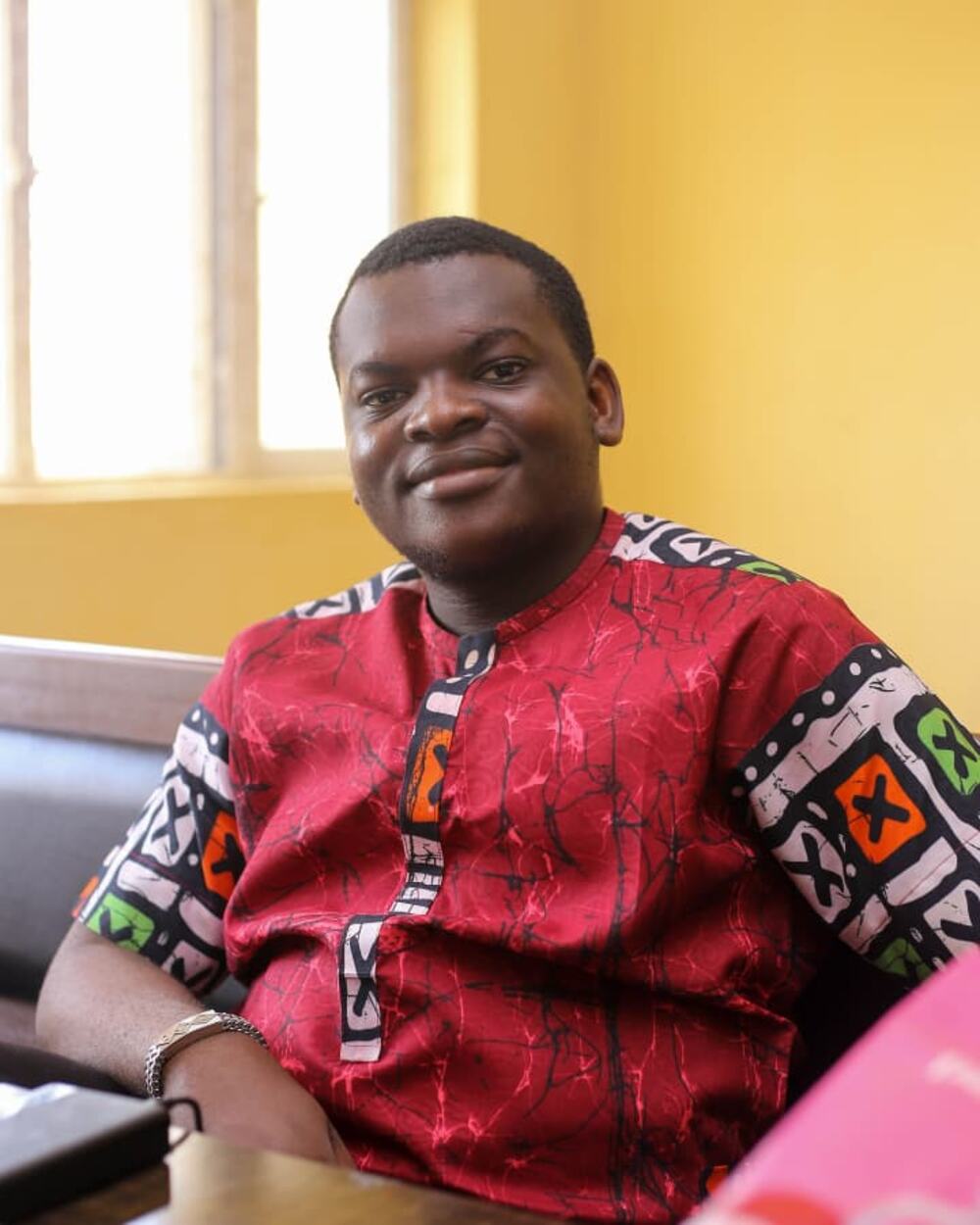
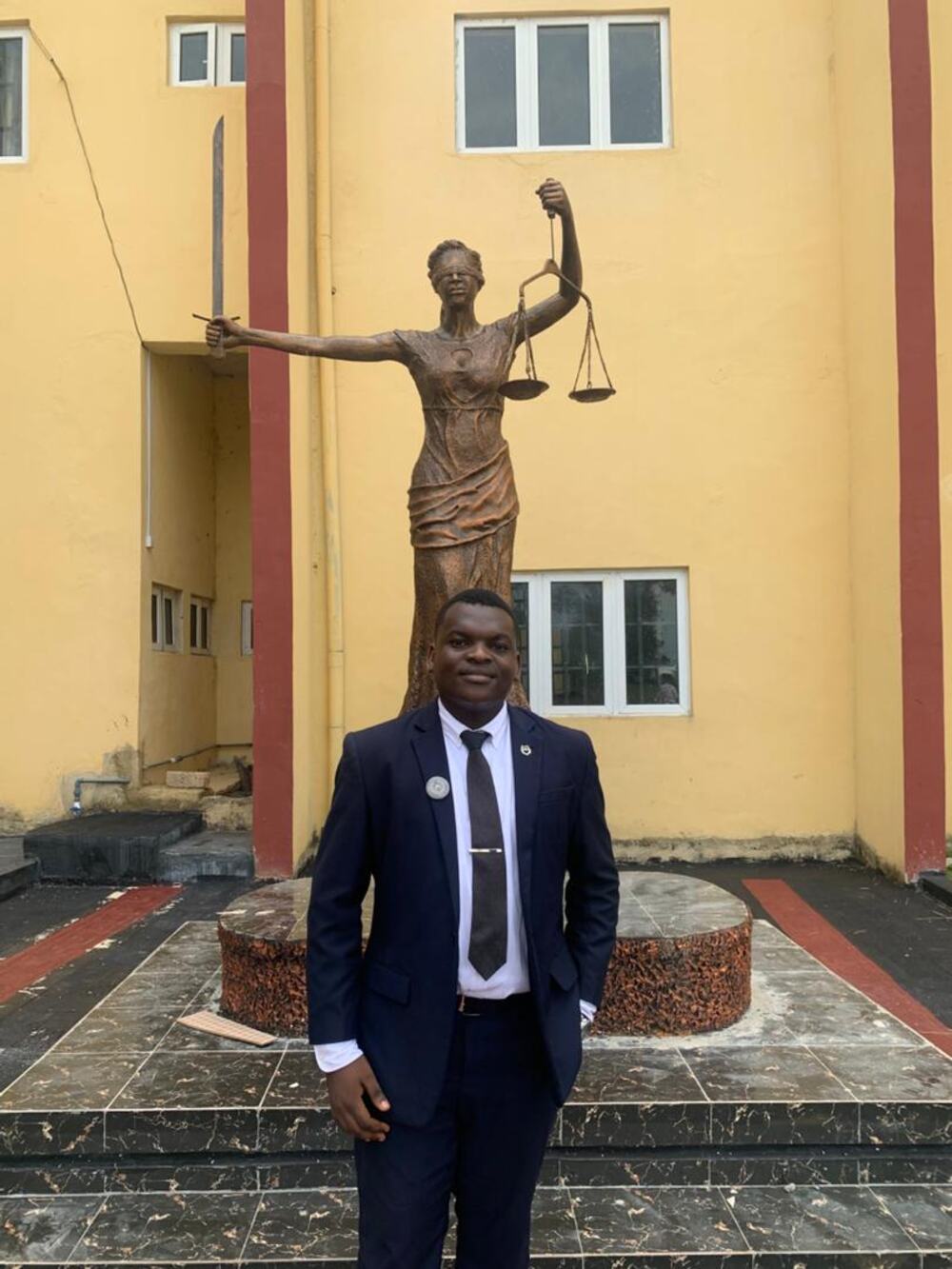

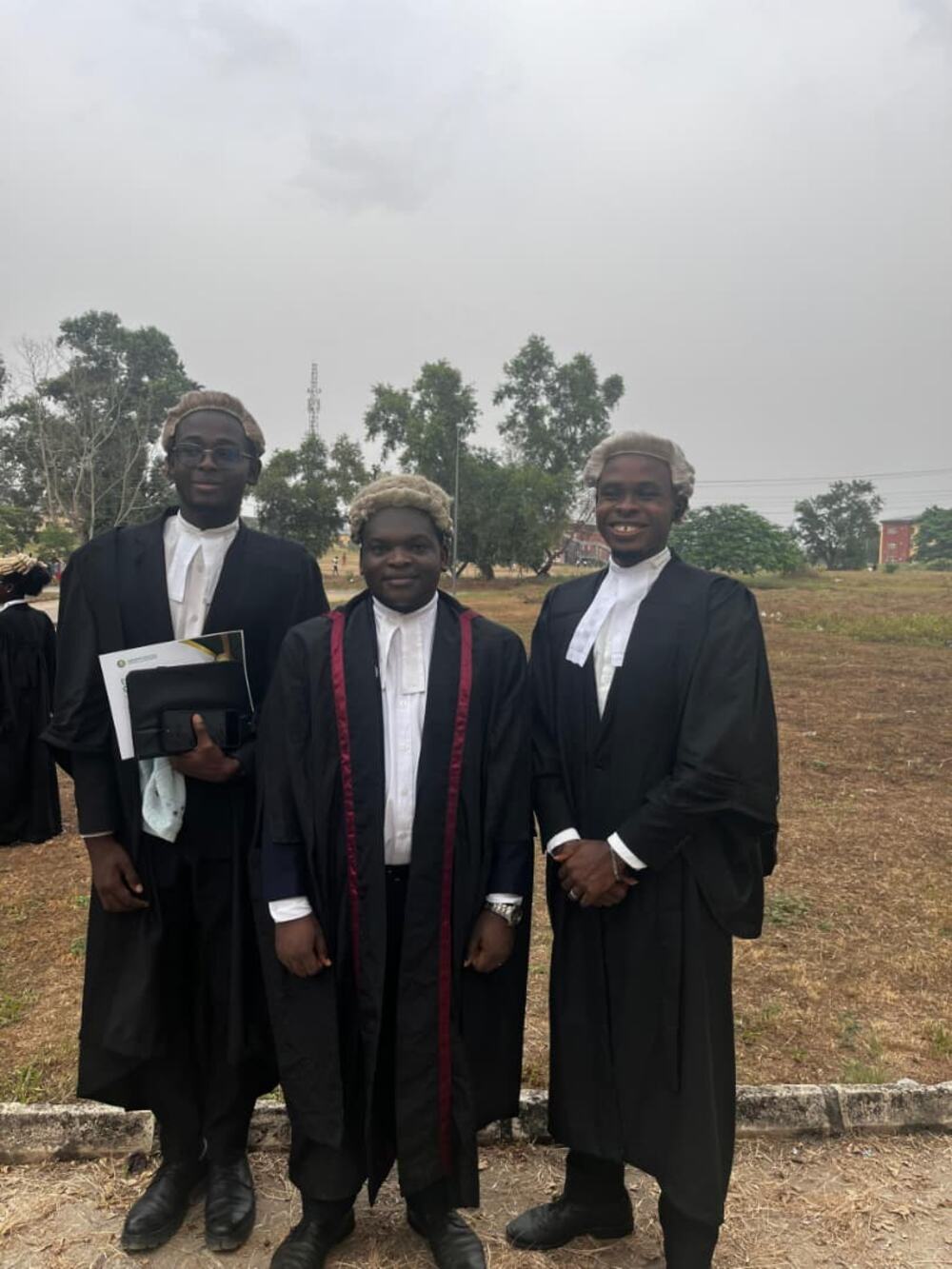

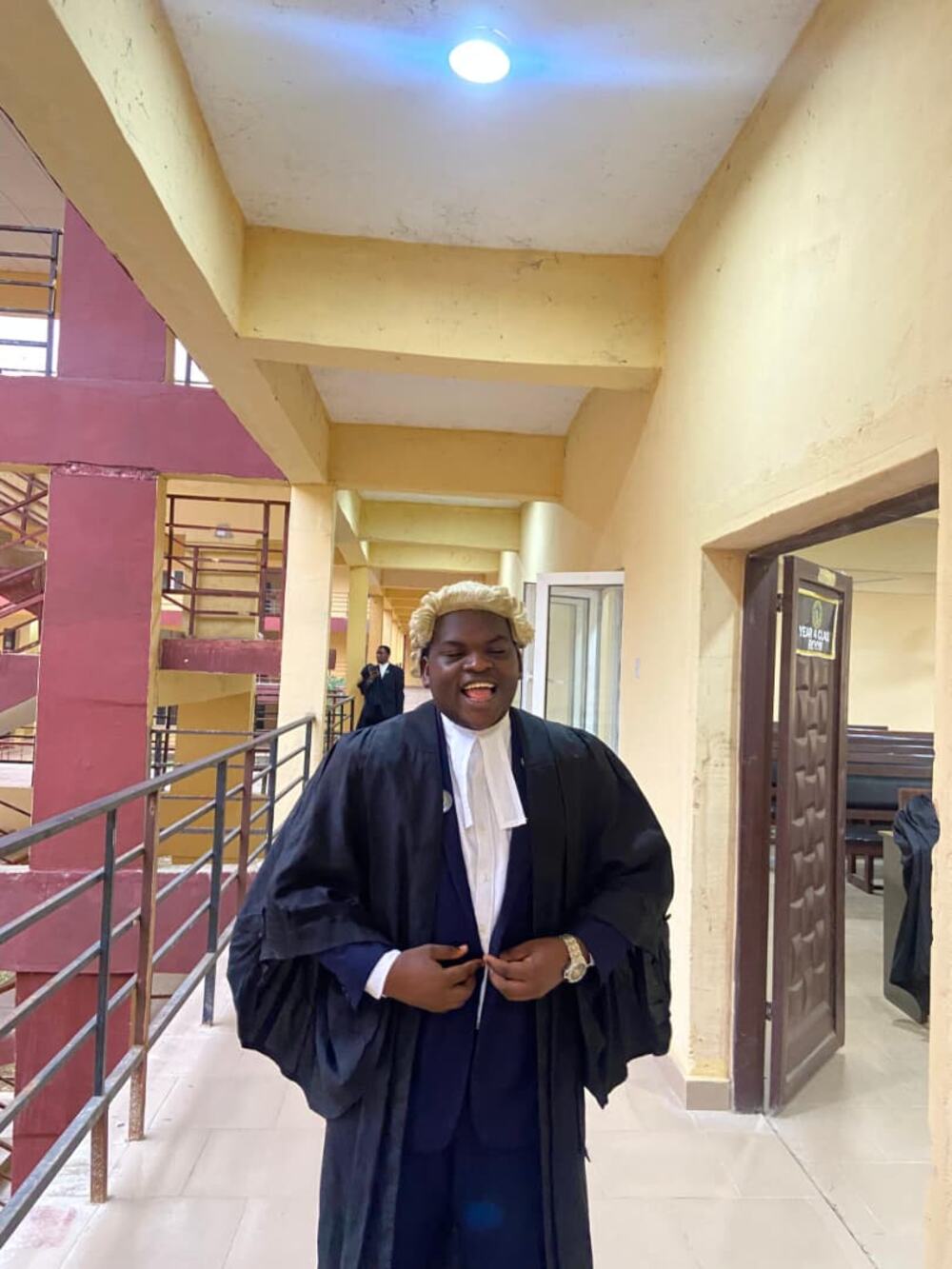


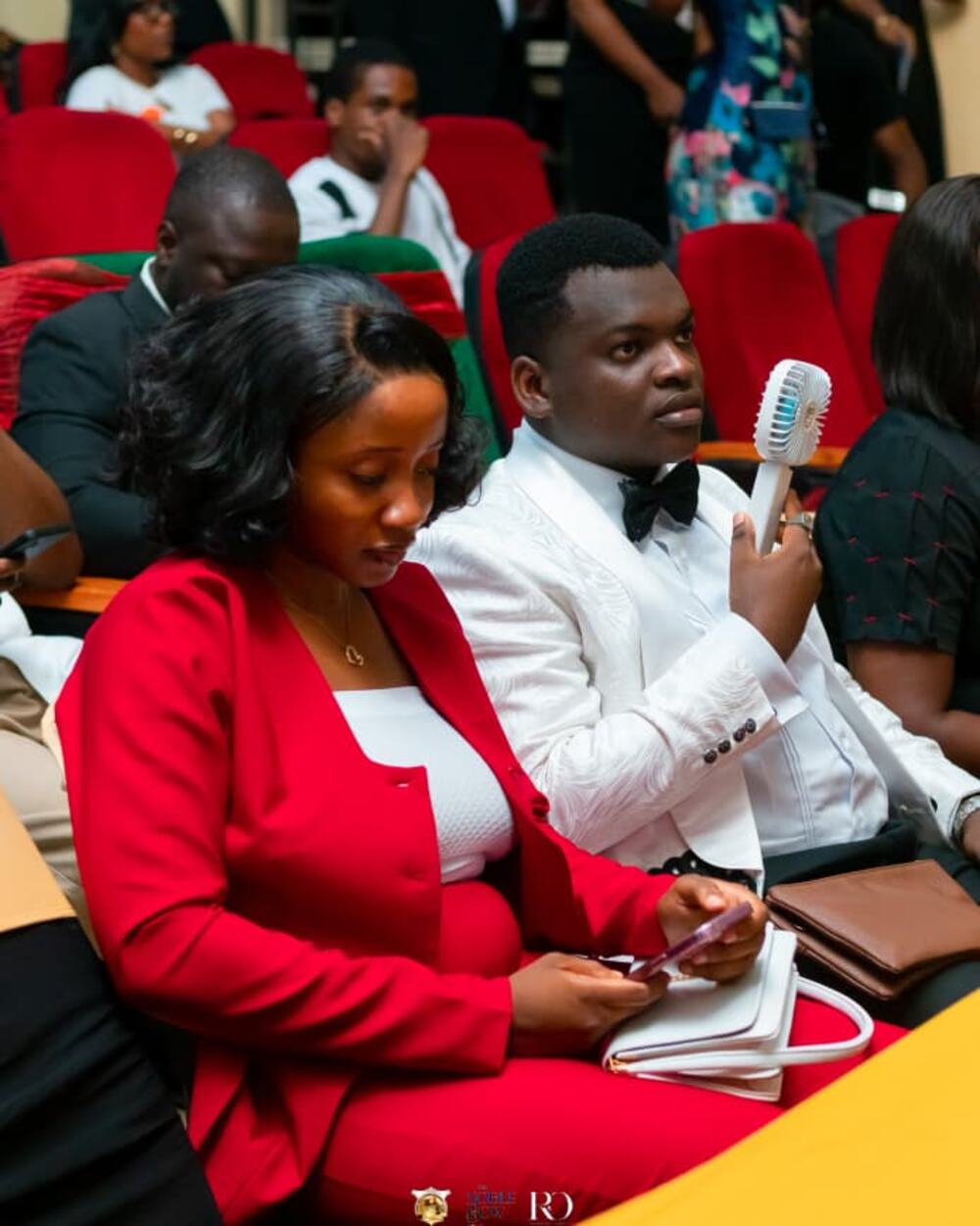
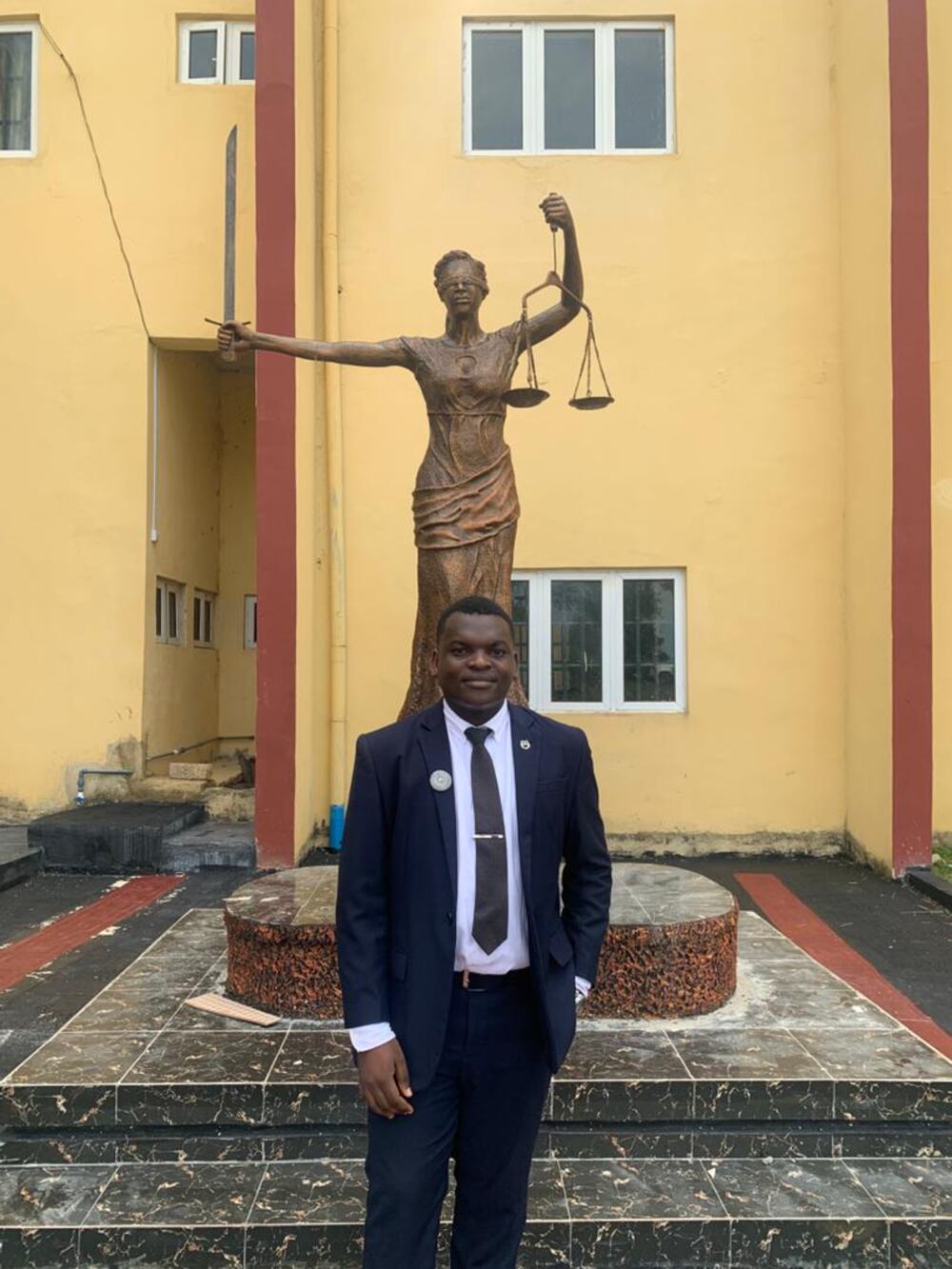

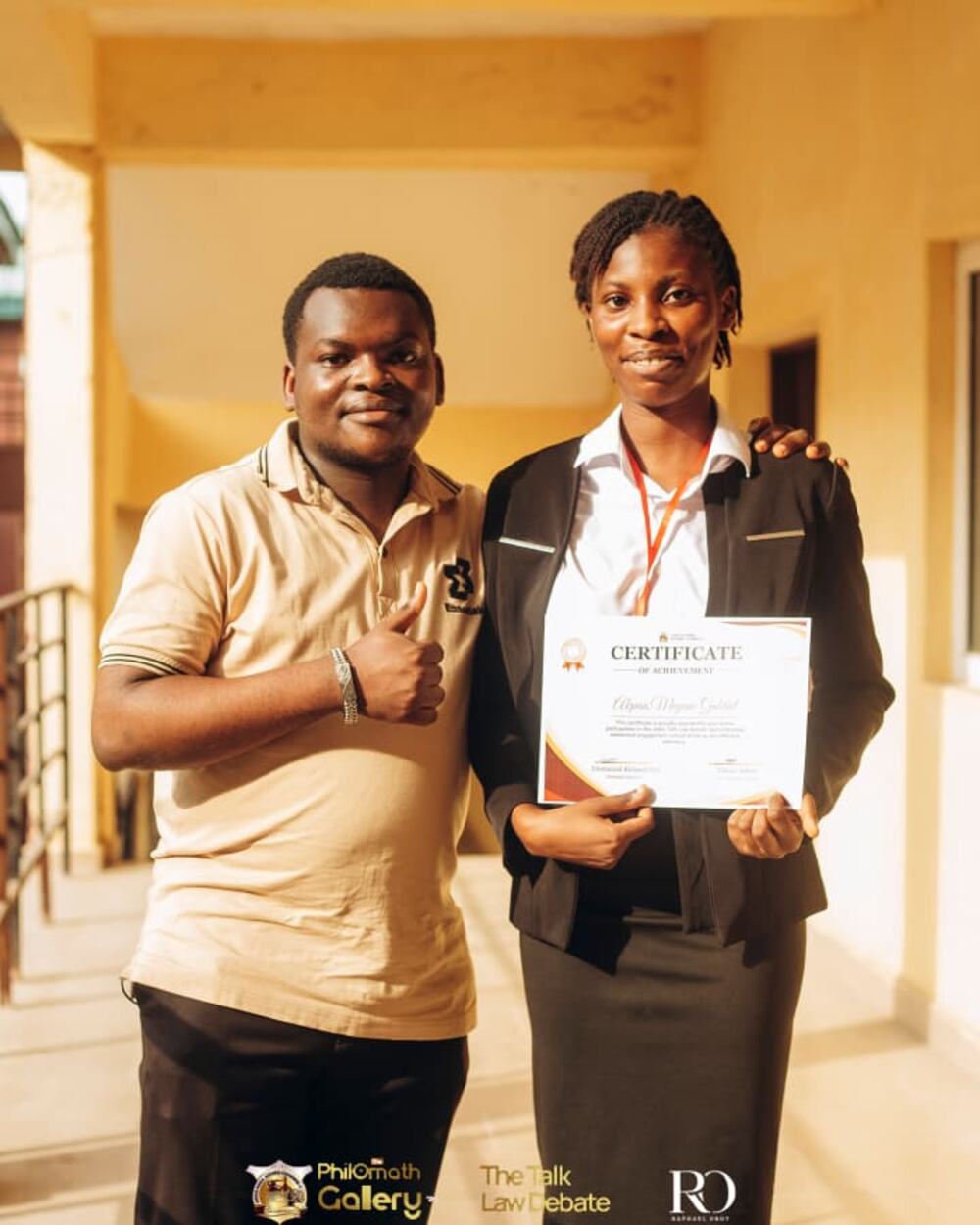
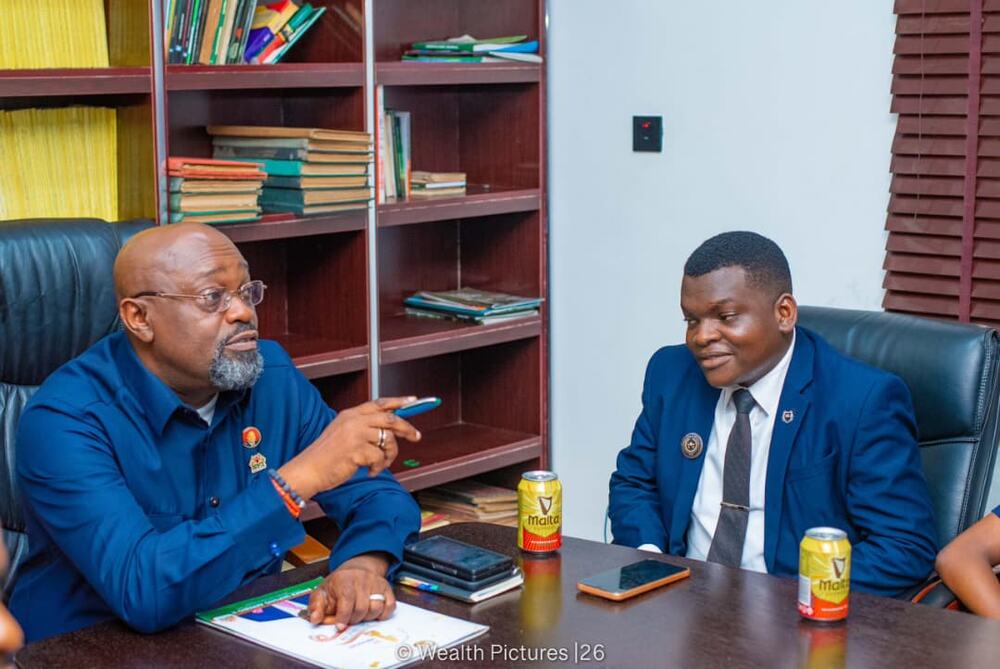
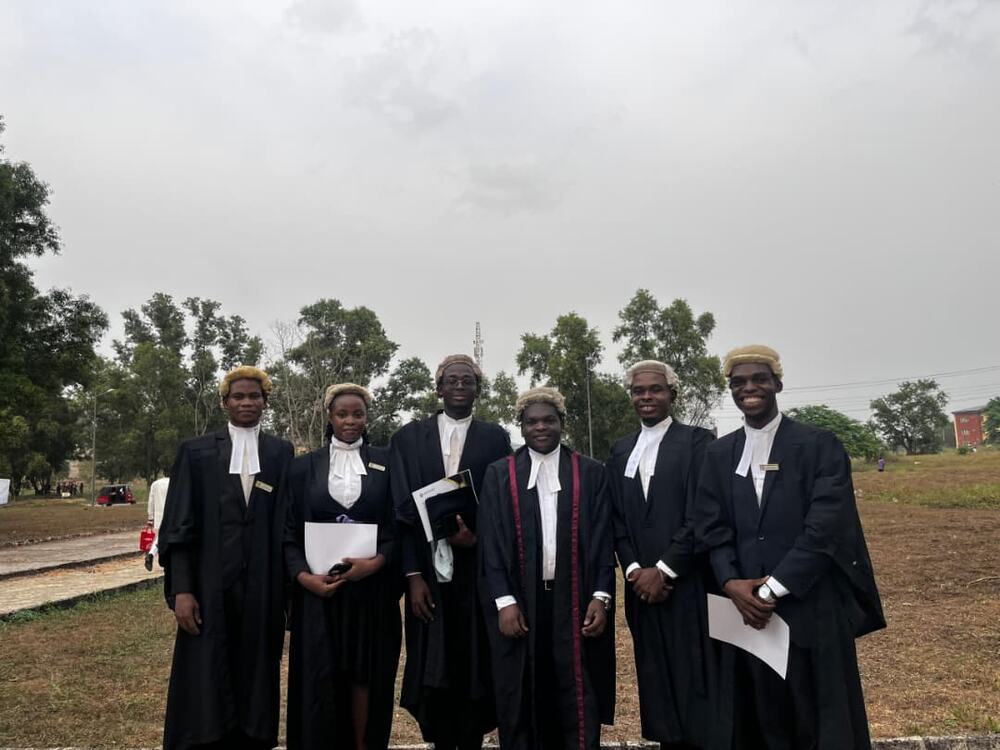




"I was made in His image to make an impact in this world."
Every chapter before this one reads, in hindsight, less like a series of separate wins and setbacks, and more like one long line being drawn toward exactly where he now stands — leading the chambers he once had to borrow a form fee to join.
Justice Nsima Akpabio Chambers — JNAC Profiles